What a wonderful time this weekend at the CenterPeace Conference! Great music, speakers, seeing tons of friends, a book signing alongside my awesome friend Zach W. Lambert (check out his book Better Ways to Read the Bible), and I got to present a breakout session about science!
From the conference program:
XX and XY: Variation Beyond the Binary Model / Youth Room (3rd floor)
Gender and chromosomal sex are hot topics, both politically and religiously. Does the presence of either an XX or XY always tell the whole story? Must we choose between science and faith? Where is God’s image in this discussion? In this session, Dr. Janet Kellogg Ray examines differences in sexual development from a biological perspective.
At this very spot, Francis Crick and James Watson were having an ordinary lunch at the Eagle Pub in Cambridge, England, just as they did daily.
This day, however, they made an earthshaking announcement:
“We have discovered the secret of life.”
With that superlative, Watson and Crick announced the discovery of the molecular structure of DNA.
Thankfully, there’s also a plaque for Rosalind Franklin, whose research using X-ray photography of DNA provided an essential piece of the puzzle for Watson and Crick.
By the early 1950s, we knew that DNA passed information from parents to offspring.
But with no knowledge of the structure of the DNA molecule, we didn’t know how information was encoded or passed along.
Watson, Crick, and Franklin’s discovery of the molecular structure gave us the answers and led to an explosion of modern medical and agricultural advances.
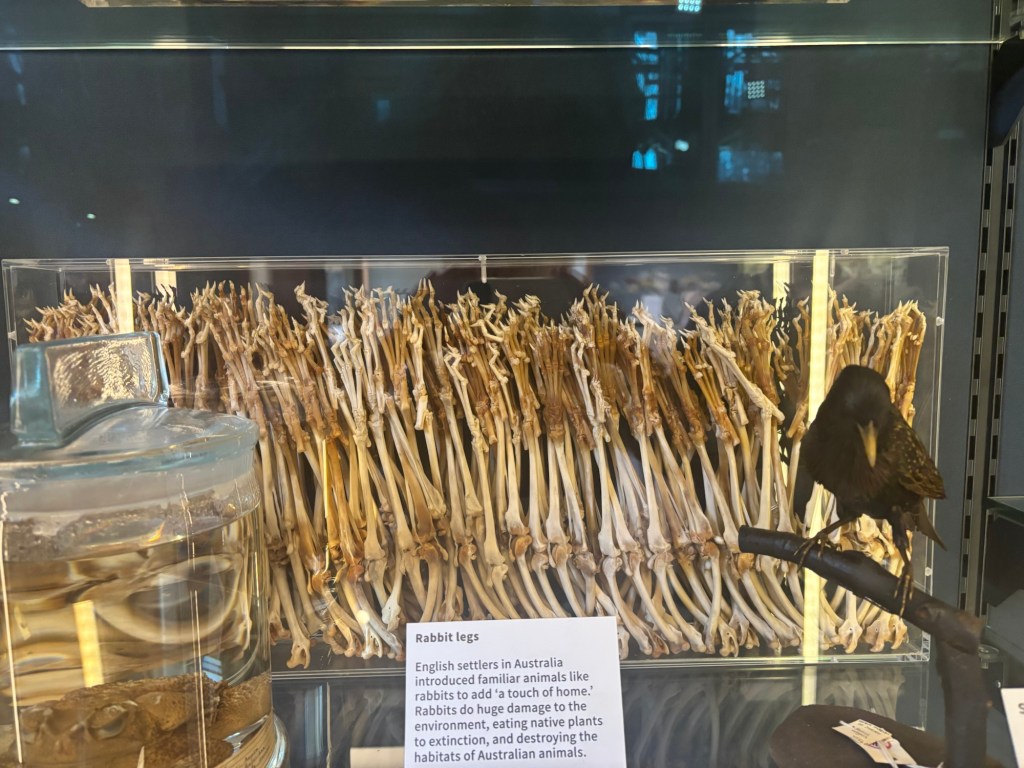
The Grant Museum of Zoology at the University College of London is simply spectacular! Top three of science museums for me, that’s for sure.
The collection was founded in 1828 by Robert Edmond Grant, professor of comparative anatomy at UCL.
Small by museum standards, it holds almost two centuries of zoological assemblages, weird and wonderful.
Among my favorites:
A box of rabbit legs.
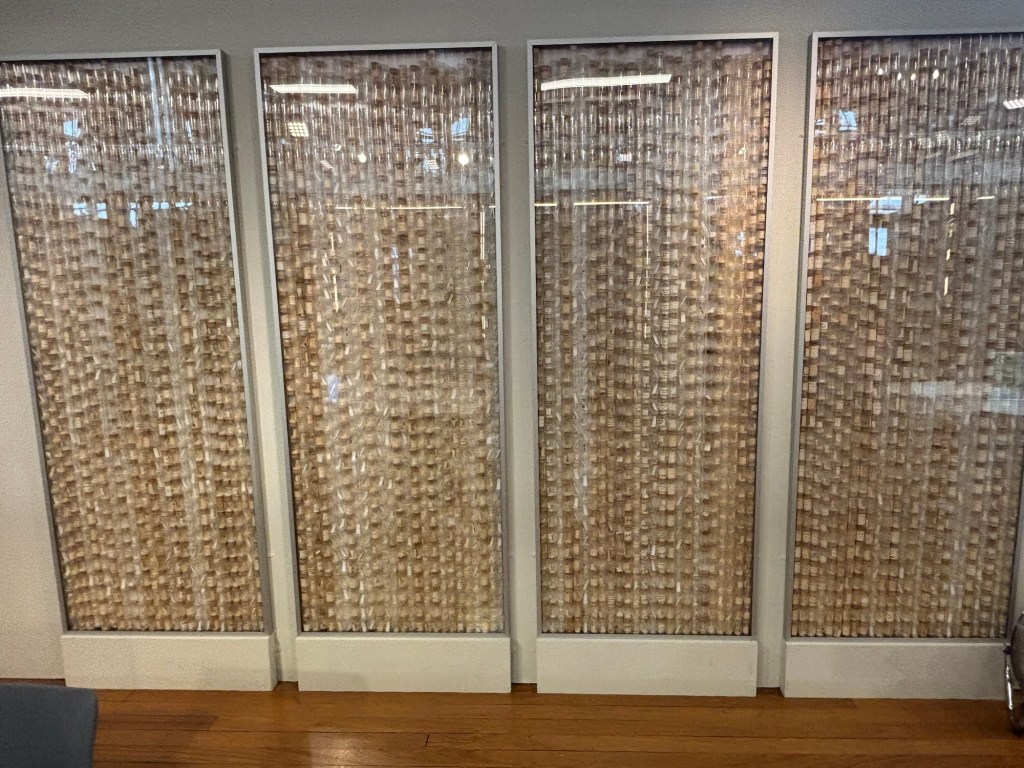
A wall of mouse bones.
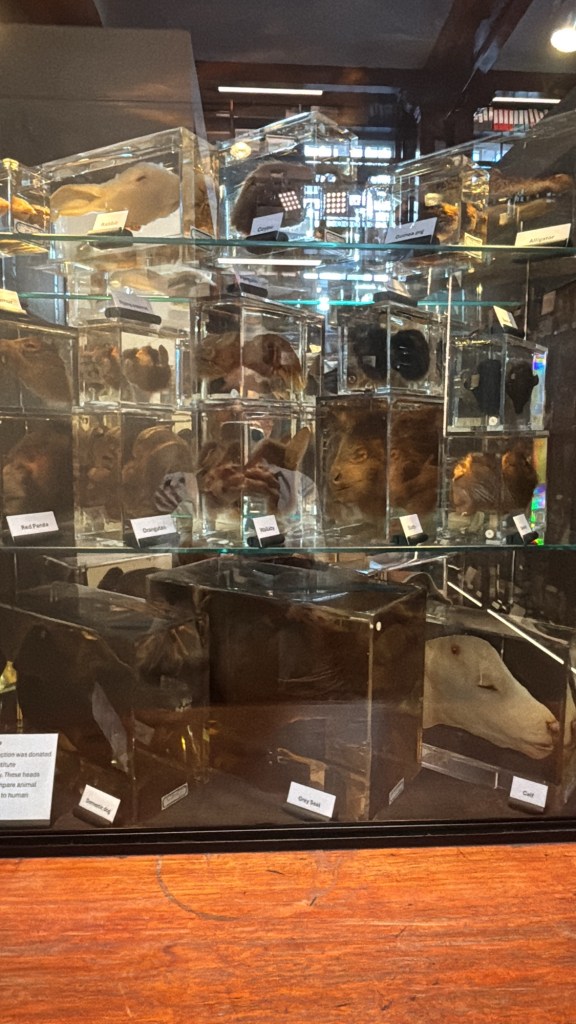
A collection of mammal heads (love it!)
Inspired by Grant’s meticulous documentation of zoological specimens, UCL was the first English University to teach evolution.
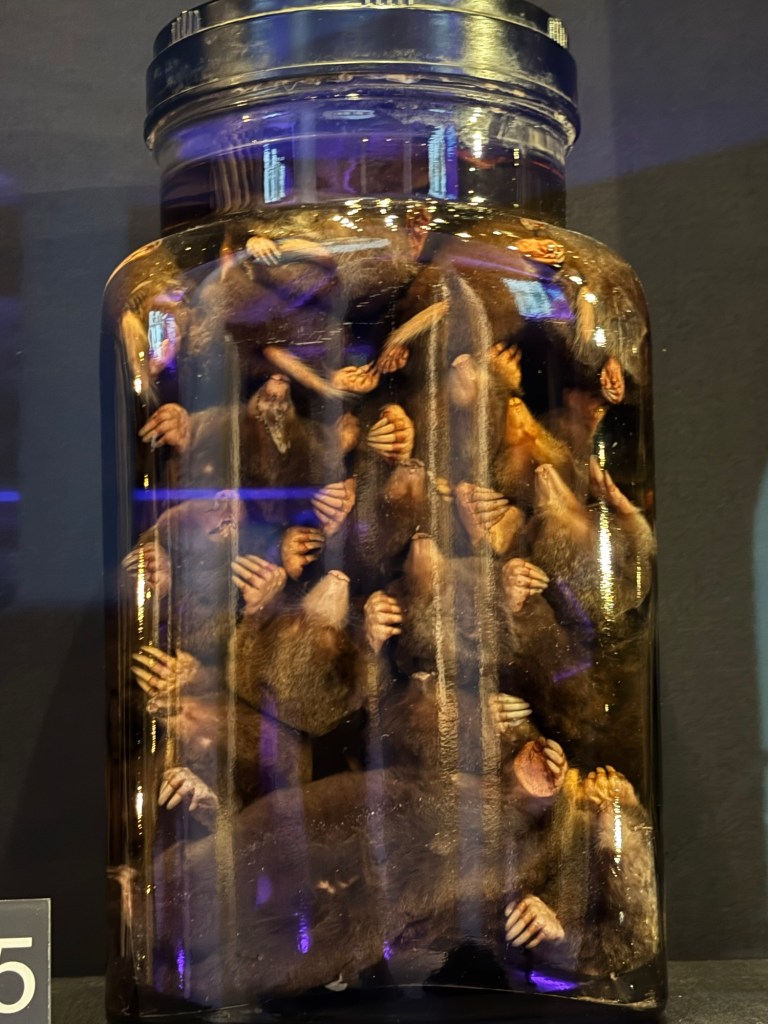
My absolute favorite (and trademark of the museum) is an exquisite jar of moles.
Sadly, it was loaned out for the 200th anniversary of UCL.
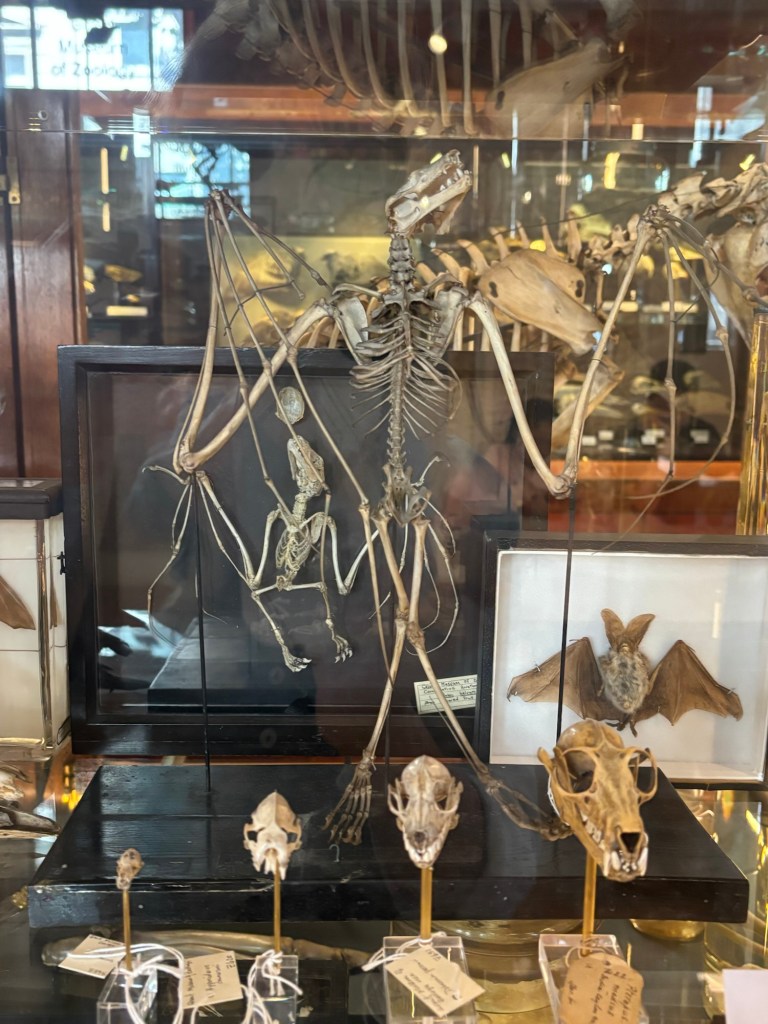
Gladly, a jar of bats was holding the place!
Box of rabbit legsWall of mouse bonesCollection of mammal heads – for comparative anatomy studies of nasal-pharyngeal structures Bats Bats BatsIconic jar of moles
On a pleasantly warm day near the equator, a large lobe-finned fish was hunting in the shallows and mudflats of a freshwater floodplain. He poked his head up above the waterline, looked right and left, then dragged himself to another spot for a better view.
375 million years later, our sunny freshwater floodplain has drifted north of the Arctic Circle.
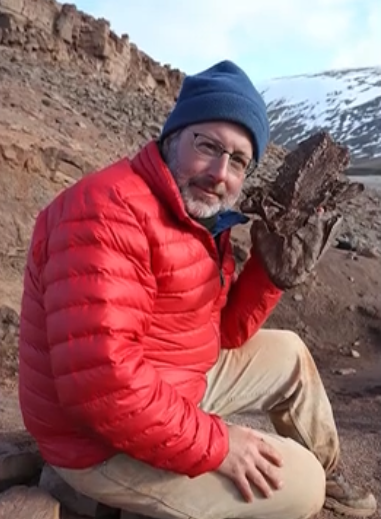
A team of paleontologists lead by Dr. Neil Shubin was hunting for fish fossils on a frigid July day.
Shubin was interested in the transition of water-dwelling fish to land-walking animals. He knew the age of rocks where fish are found. He knew the age of rocks where the first four-limbed creatures show up.
Evolution theory predicts that an animal with transitional traits would be found in rocks of an in-between age – and that happened to be Ellesmere Island in the north Arctic.
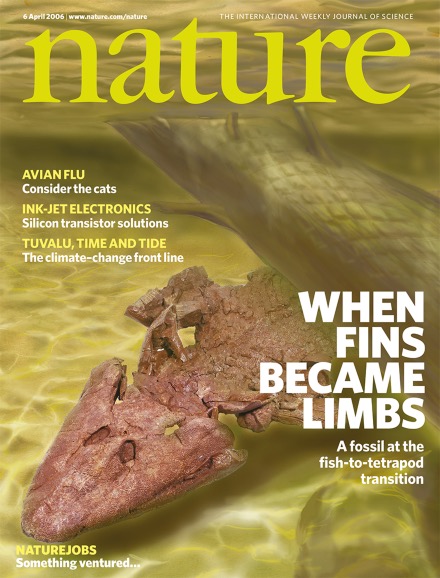
On a frosty July day in 2004, they found him. They named him Tiktaalik, which means “large freshwater fish” in the indigenous language of the area.
Tiktaalik was a fish. He had scales and fins and gills.
But Tiktaalik had a flat head, like a crocodile. Inside his front fins, he had the bone architecture of all four-limb creatures: one large bone, then two smaller bones, and then smaller bones of a wrist.
Tiktaalik also had a neck. And lungs.
More specimens were found, and now we know: Our wrist, our neck, our arm and leg bones . . . originated in a fish.
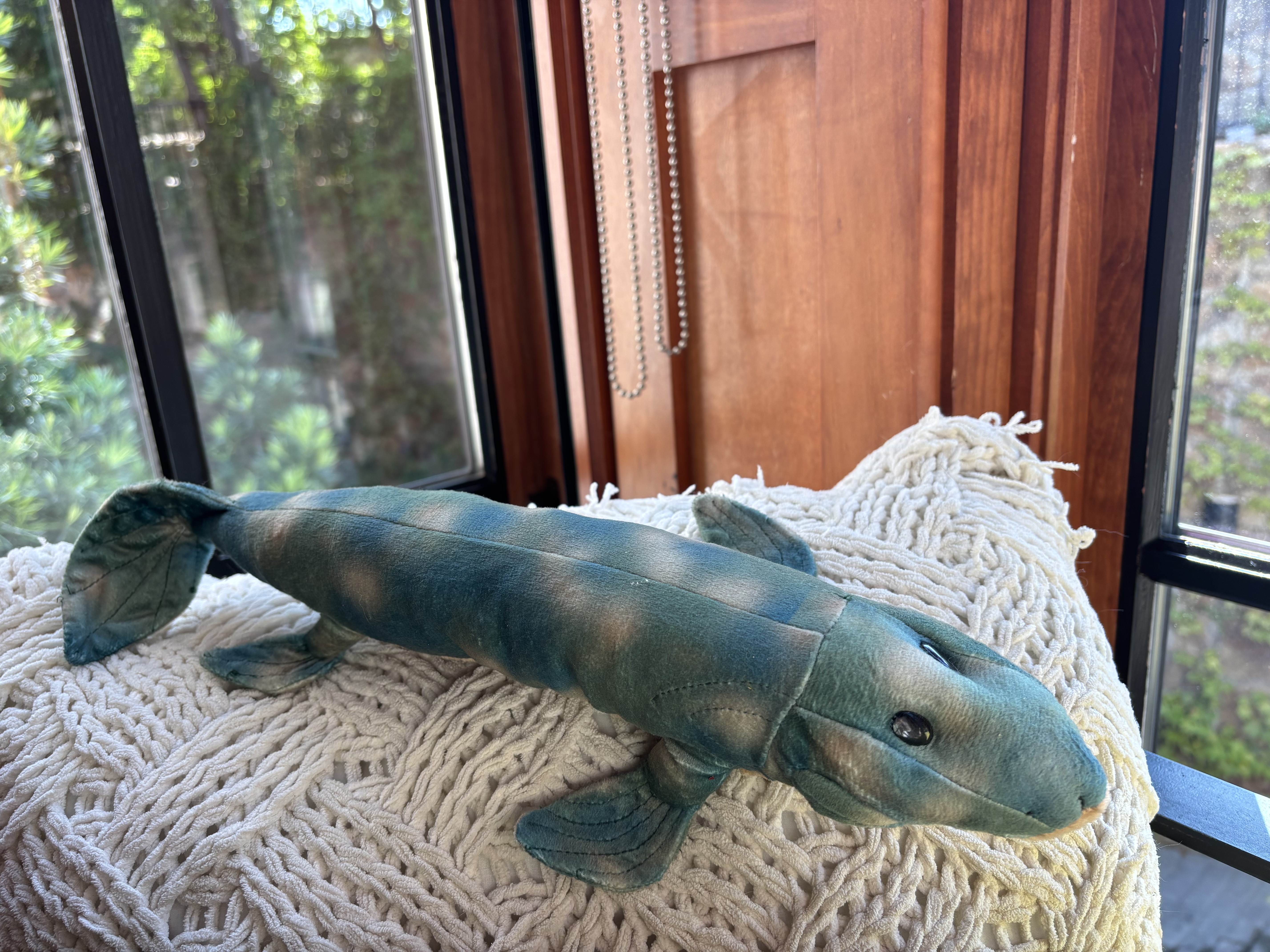
Happy Found-ya Month to Tiktaalik, our fishy ancestor!
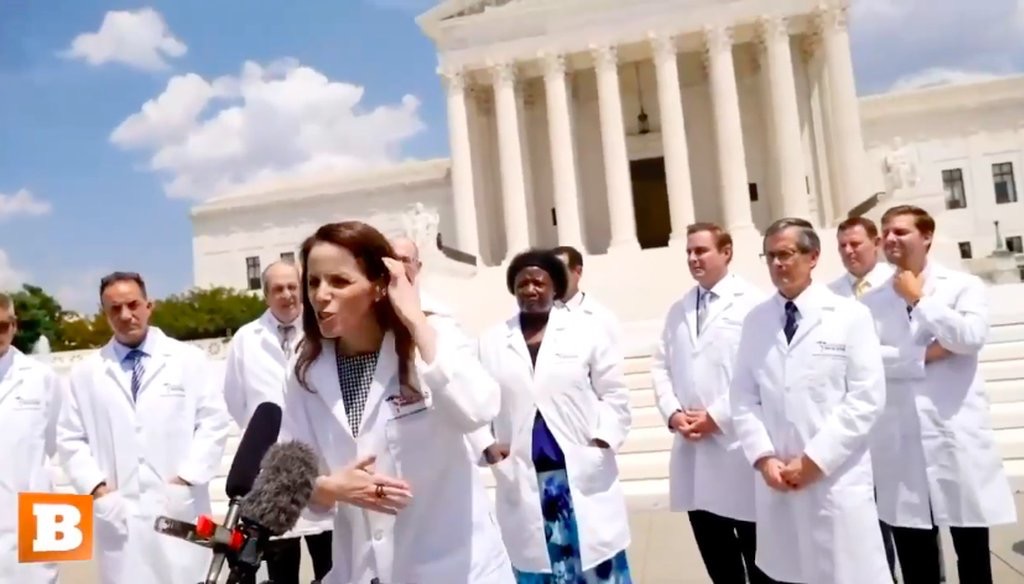
Very early in the COVID pandemic, a group of doctors assembles on the steps of the Supreme Court of the United States.
Calling themselves “America’s Frontline Doctors”, the group found their fifteen minutes of pandemic fame.
All have the title of “Doctor”.
All are wearing the symbol of medical respect – a starched white coat.
And where are they standing? On the steps of the ultimate symbol of authority in our nation.
None in the group were epidemiologists, infectious disease doctors, or researchers.
With evangelistic fervor, the group touted COVID advice ranging from unsubstantiated cures to quack conspiracies.
The group spoke with the trappings of authority, but not with expertise.
The United States government manages trillions of dollars earmarked for scientific research. Historically, panels of content-area science experts decided which research proposals to fund.
In an unprecedented move, the White House now seeks to remove experts from the panels and replace them with political appointees.
Russell Voight, chairman of the OMB (and architect of Project 2025), justifies the move because he wants to rid us all of “woke”.
Instead of grants being decided by vigorous peer review, political appointees will make political decisions based on … politics.
“Having grants pass a political litmus test will destroy science,” says Nobel laureate Martin Chalfie.
In less than two years, American science has been decimated. Research defunded. Career scientists leaving. Newly minted researchers moving to other countries.
And now this: a move to replace science experts with political appointees.
Brutal. Bloody. Evolution is an everyman for himself life or death struggle for survival, right?
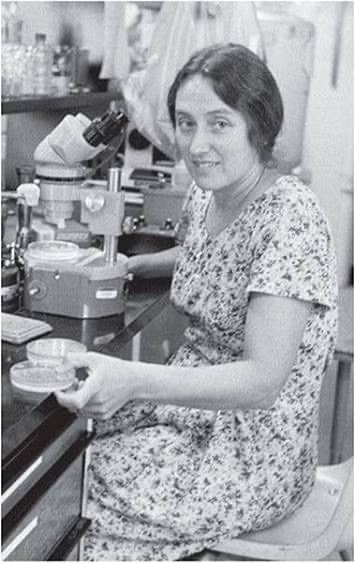
Lynn Margulis disagreed.
Margulis was a biologist in the 1960s, and her ideas about the evolution of cells upended the prevailing science of the day.
Margulis’ landmark research paper was rejected fifteen times before it was published. She was dismissed as “just a divorced mother with radical ideas.”
Decades later, Margulis’ “endosymbiotic theory” about the evolutionary origin of complex cells has been established over and over again by evidence.
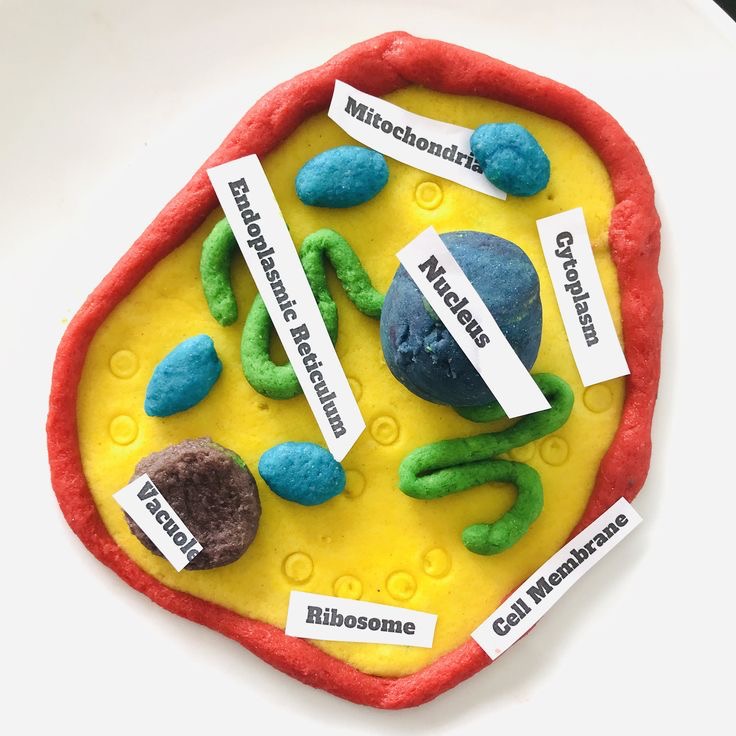
If you’ve ever made a model of a cell out of playdough or whatever you could find at home at 10:00 pm the night before it was due (or parented over such a construction), you are familiar with the mitochondria, the “powerhouse of the cell”.
Margulis noted that mitochondria have their very own tiny looped chromosome, just like simple bacteria. She observed that mitochondria are structured like bacteria and divide like bacteria.
What if, hypothesized Margulis, complex cells didn’t arise from a bloody battle for the win?
What if, she said, complex life arose via cooperation? What if teamwork was key to the evolution of complex cells, and thus a myriad of complex life forms?
Endosymbiotic theory explains how tiny, simple cells took up residence inside larger cells. The tiny cell was good at extracting energy from food, and the bigger cell provided protection and … food.
Teamwork.
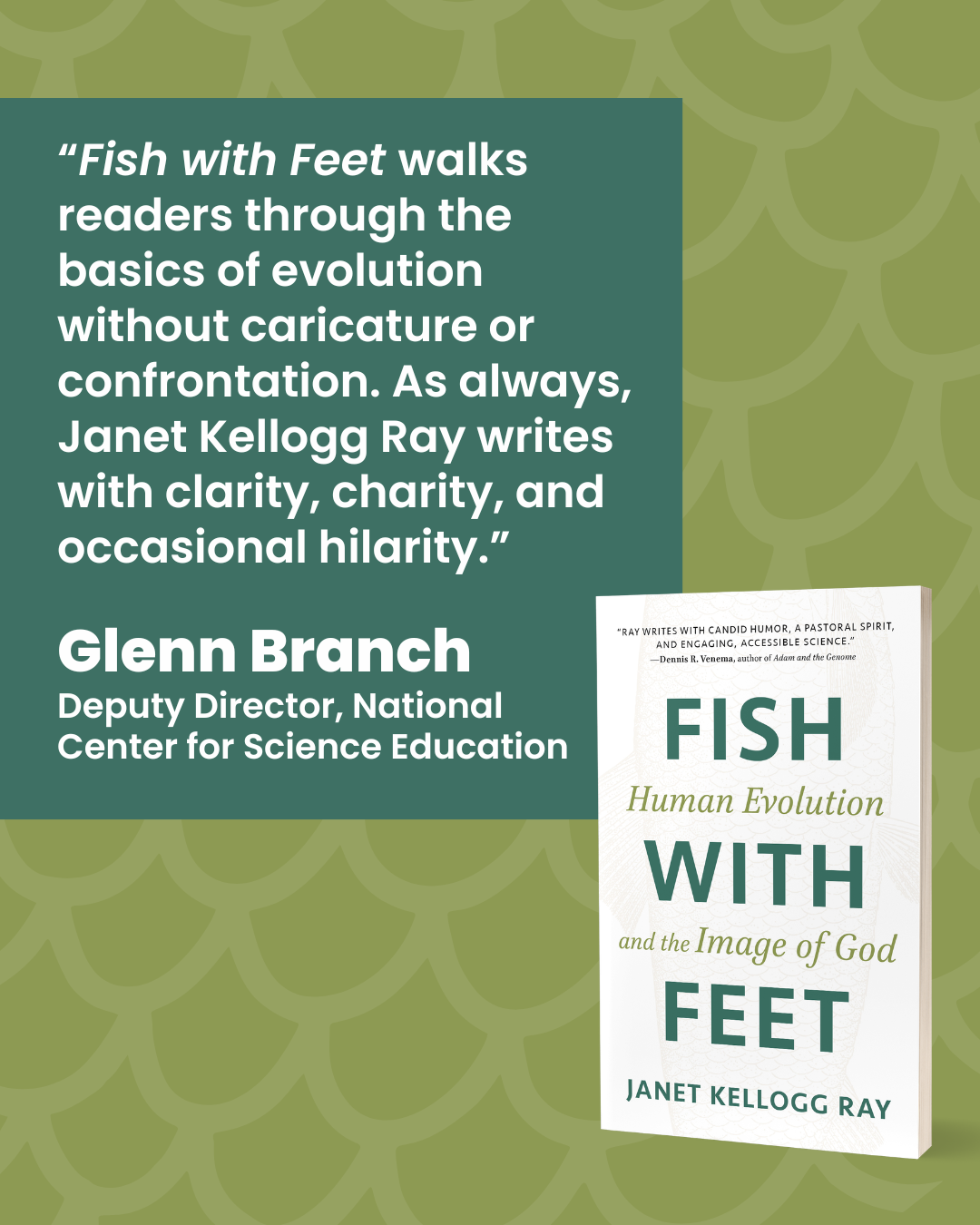
Read more about the role of Margulis in the story of human evolution in FISH WITH FEET: HUMAN EVOLUTION AND THE IMAGE OF GOD.
This place is a gem and a Texas treasure – a national treasure, really.
Located in Seymour, Texas, the museum is adjacent to the world’s best fossil fields for Permian specimens.
I’ve been to natural history museums in New York, Washington, London, Houston, and invariably, the Permian fossils are from Seymour.
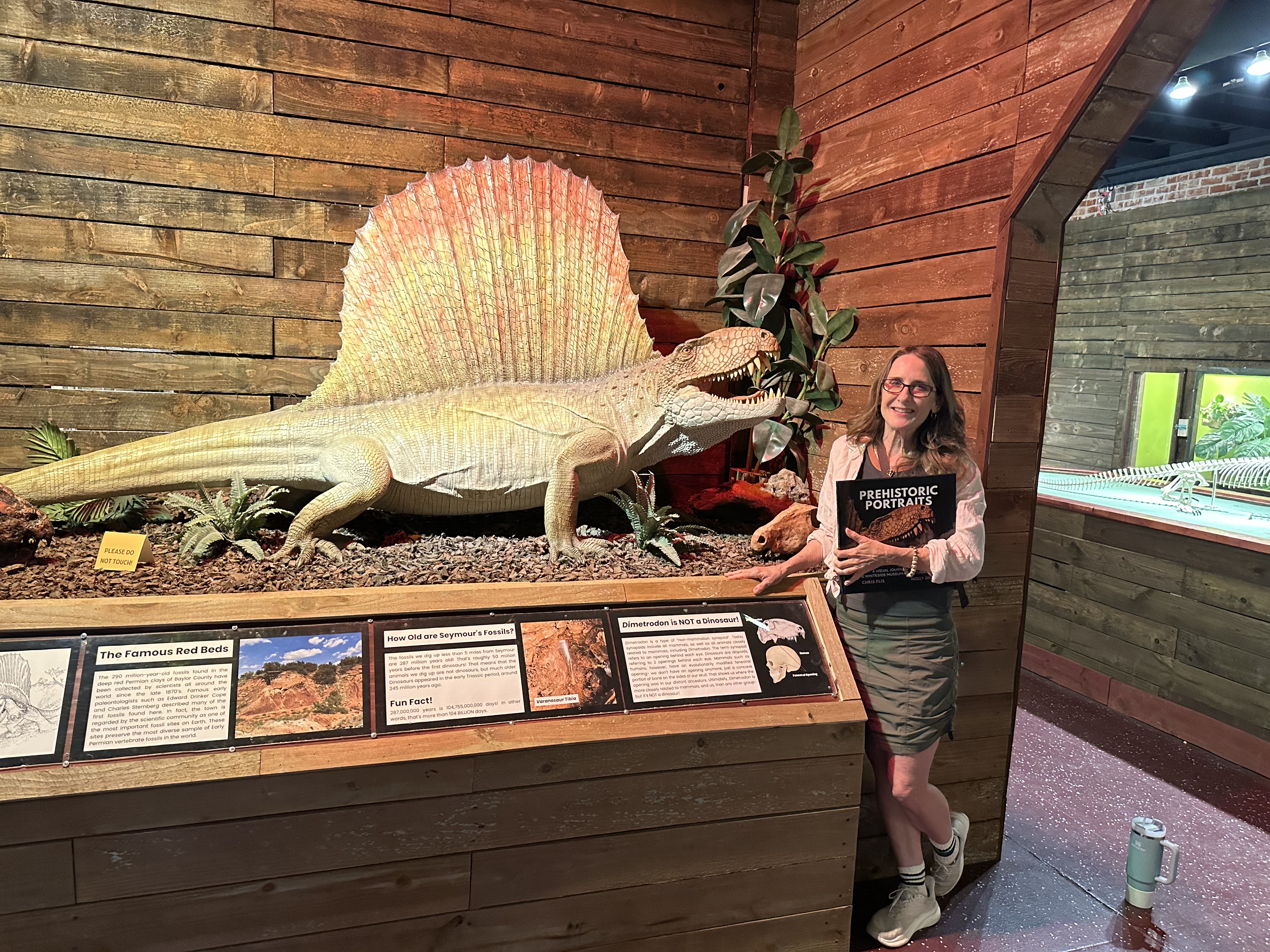
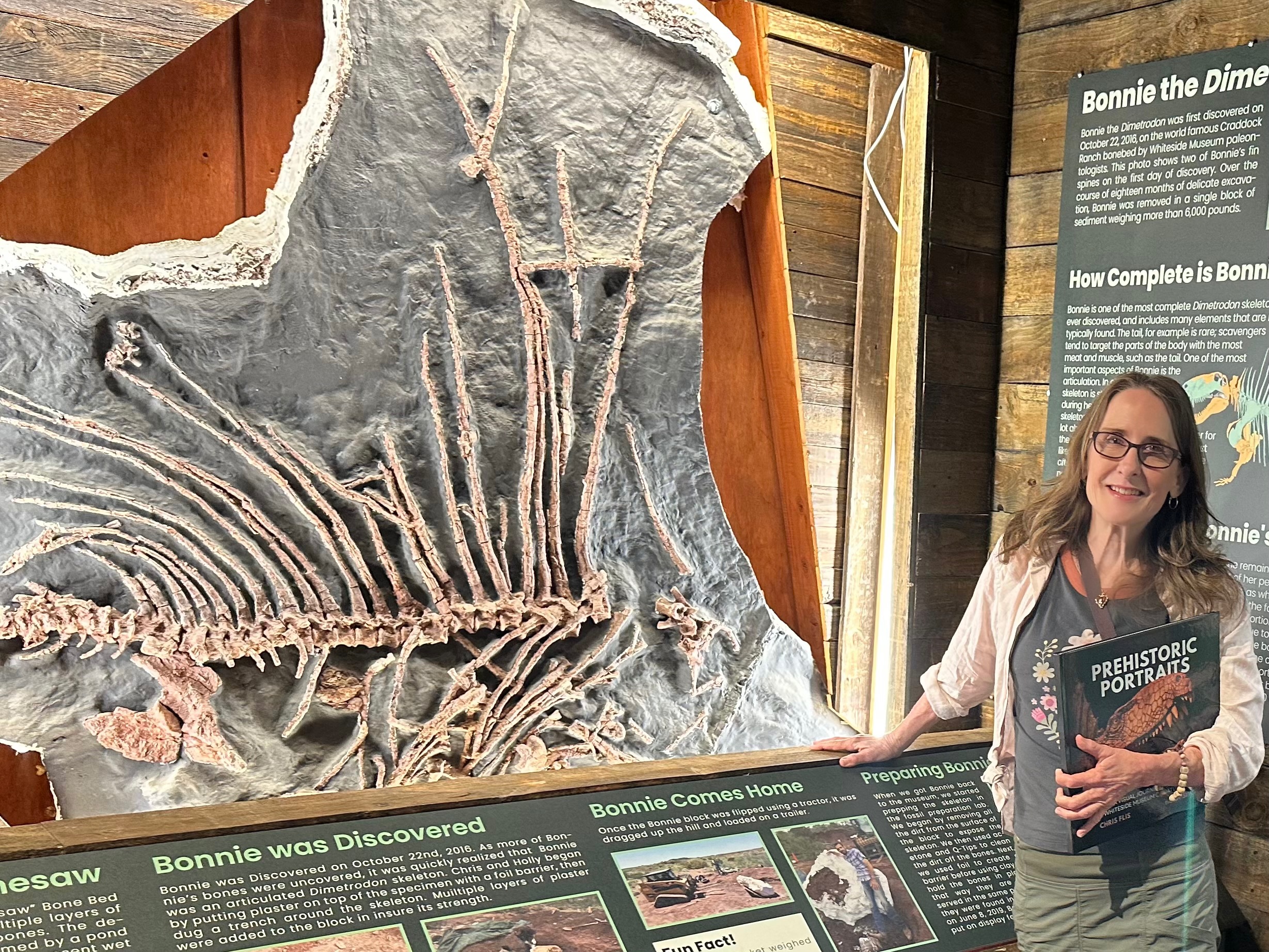
The dimetrodon is a star attraction. Bless its heart, it gets put too often in the dinosaur bin at the toy store, but this sail-back giant is far more closely related to you and me than to the dinosaurs.
Animals like dimetrodon fascinate me – already we can see mammalian traits evolving in an almost 300 million year old animal – note the very mammal-like teeth in my photos.
I was in awe. The story of human evolution is rooted so deeply in the tree of life.
Dimetrodon is a picture of what was to come.
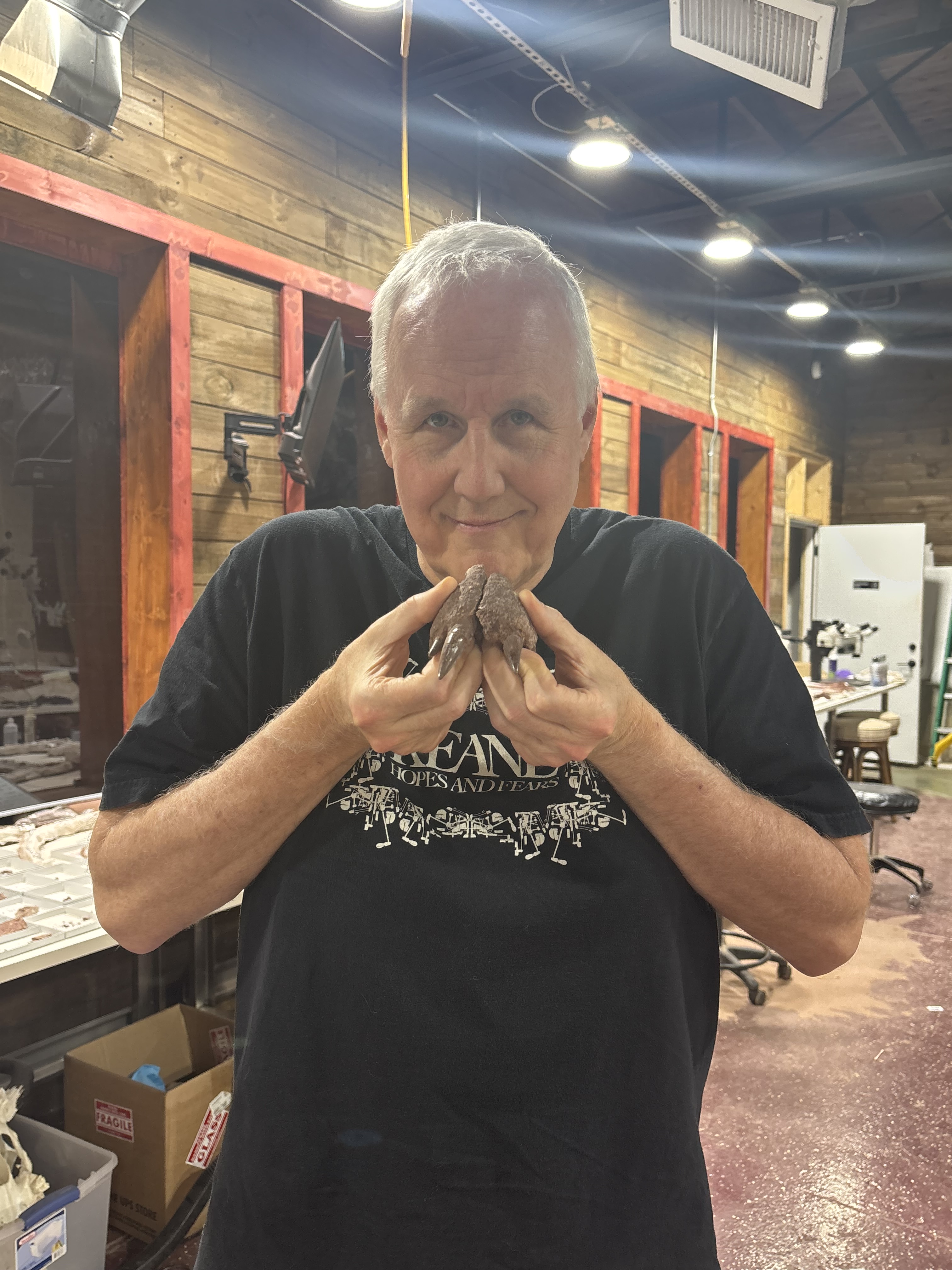
The real star of the museum and its heart is Chris Flis, the paleontologist responsible for most of the finds and the curator of the collection.
I went to see the Permian, but there’s so much more – including a mammoth molar Chris found when he was ten!
It’s so worth the trip – fossil prep is out and open for viewing and fossil lovers of all ages will be delighted.
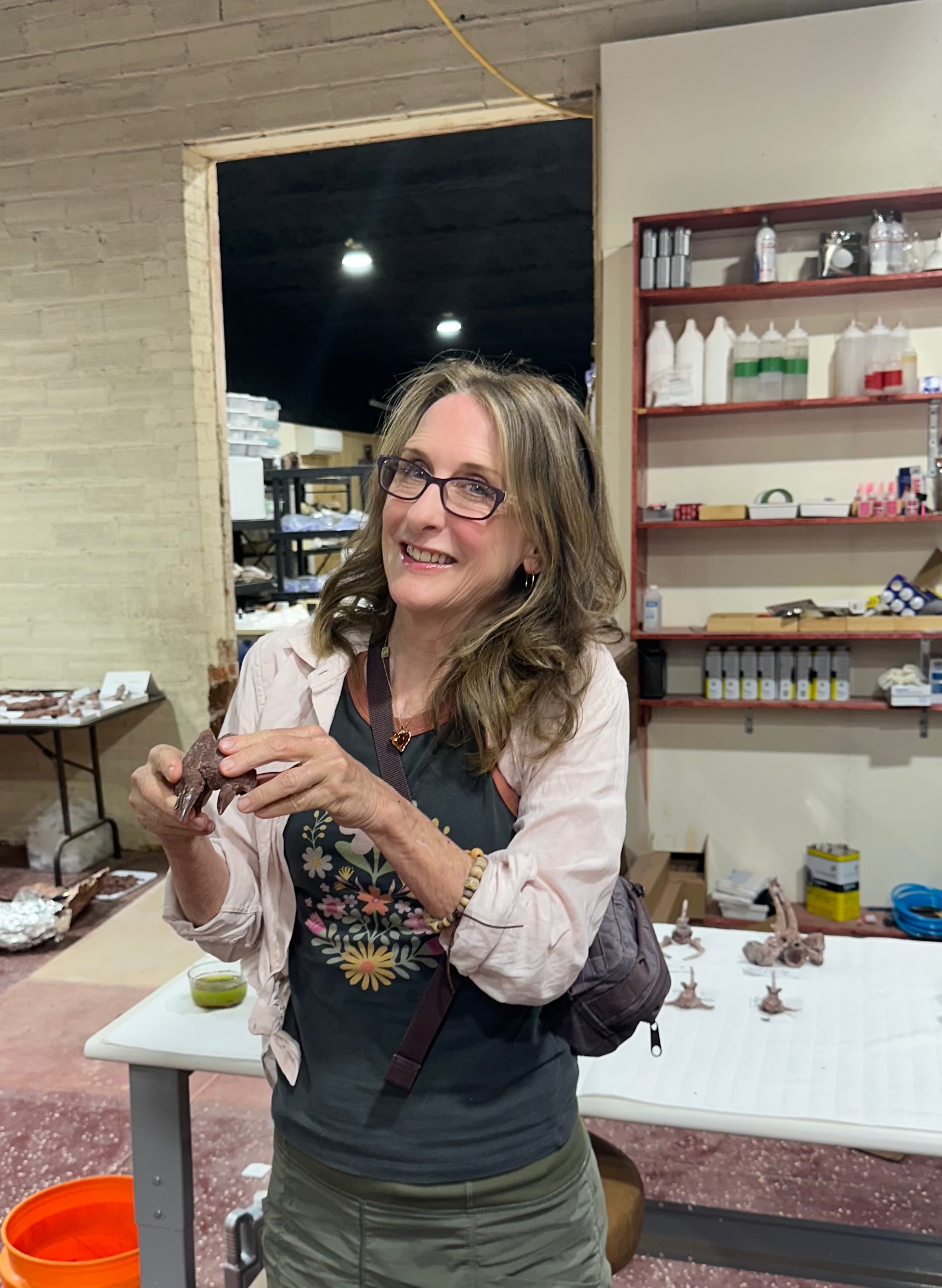
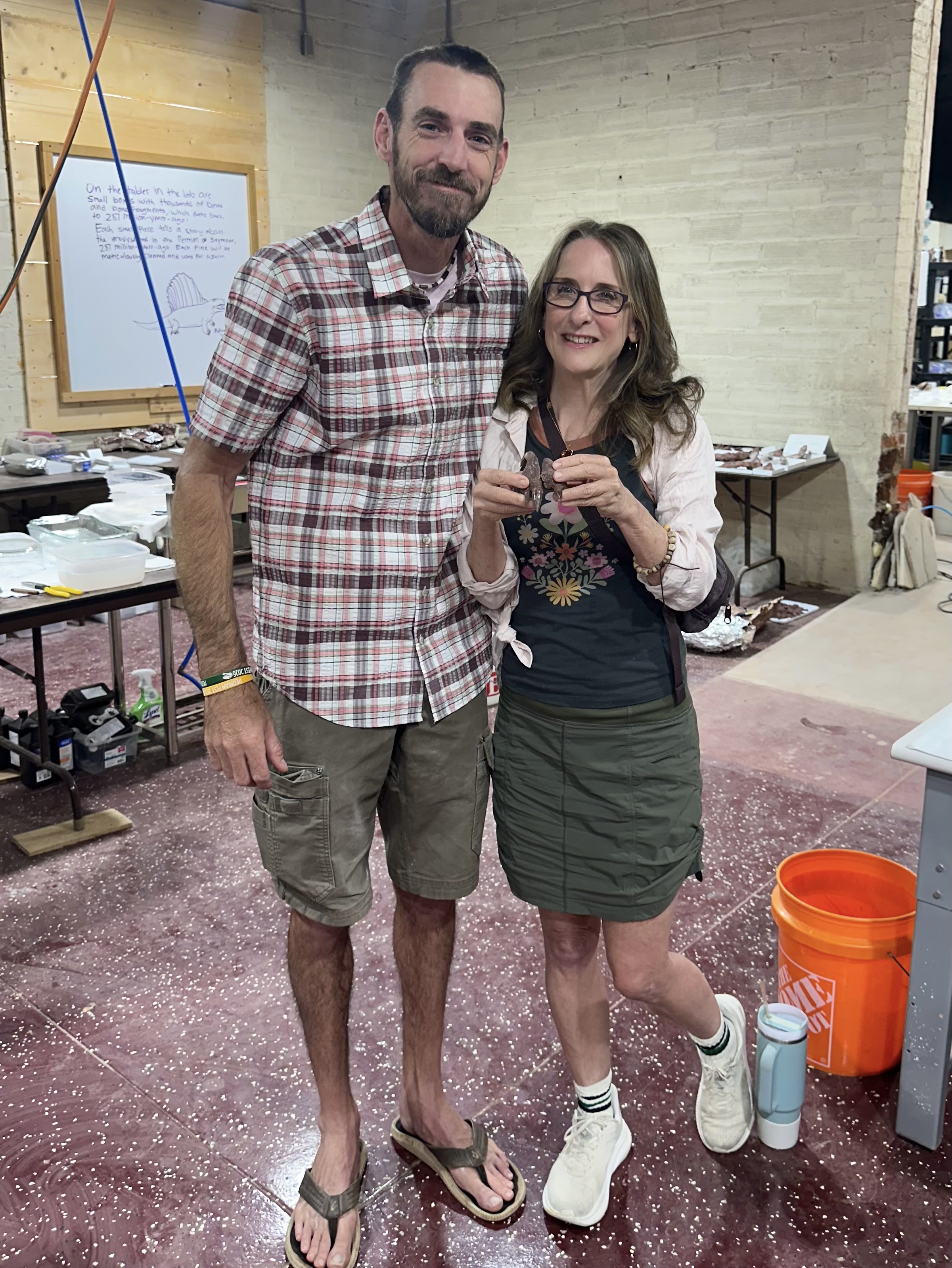
Here I’m holding the ACTUAL teeth of Queen Margaret, an incredibly complete dimetrodon discovered by Chris. Note the mammal-like teeth in this animal not yet a mammal but well on its way.Paleontologist Chris Flis and Queen Margaret’s teeth!Me with a reconstruction of my long ago cousin.A photo op with Bonnie the dimetrodonMy favorite research buddy and travel partner (aka my husband)
Is our universe the result of an indifferent, meaningless, purposeless accident?
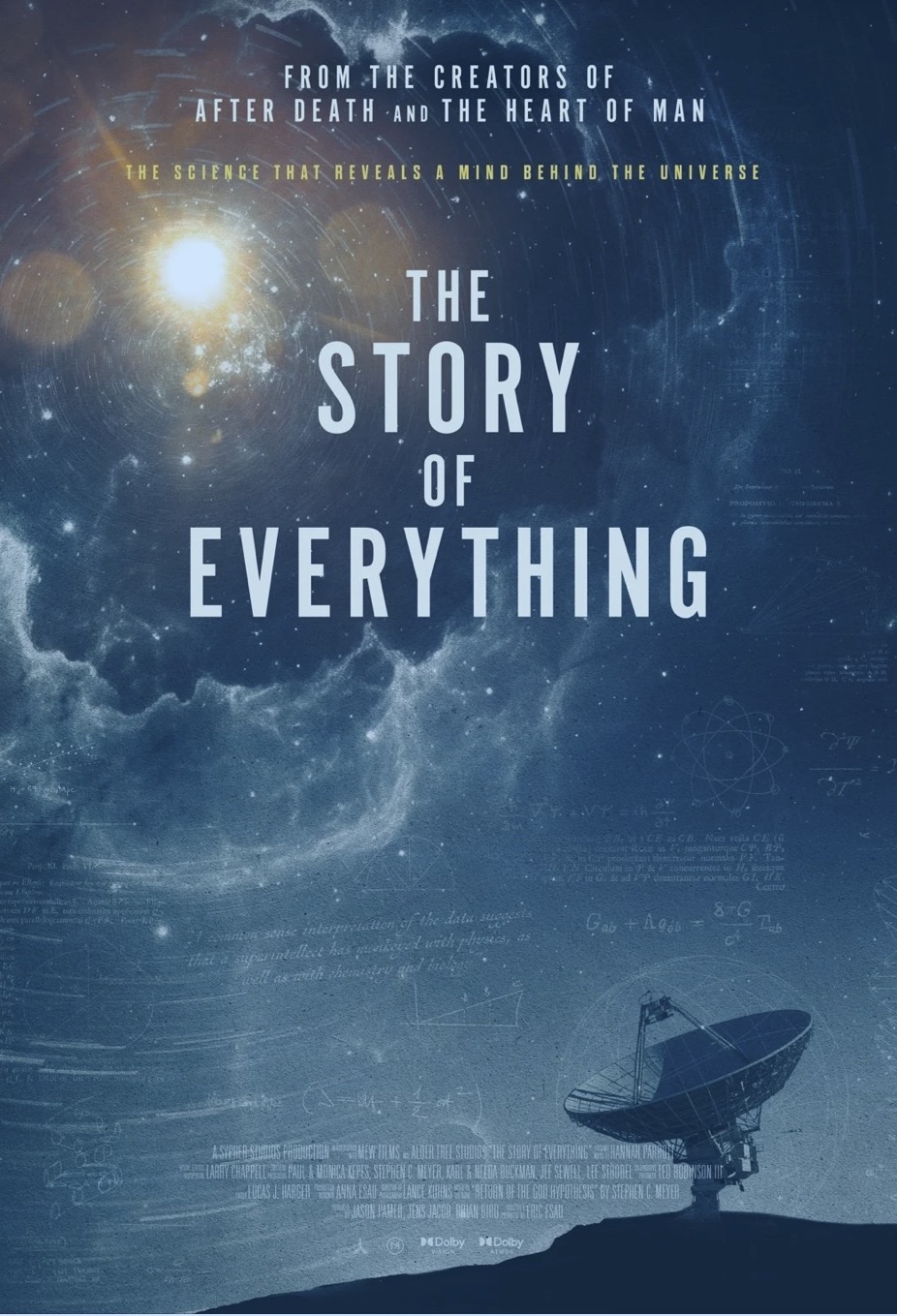
The Story of Everything, a new film with limited theater release, says no.
The film is hosted by Stephen Meyer, a philosopher of science and longtime star of “intelligent design”.
Note: “Intelligent Design” is not a concept separate from creationism, rather, Intelligent Design is a way of explaining creationism, an approach infused with lots of science-y jargon. And like young and old earth creationism, intelligent design assumes a micromanaging creator.
The film is very well made, and animations of physical and biochemical processes are impressive.
The Story of Everything opens with an argument that no one is making: “Science disproves God.”
Actually, the existence of God is not a question for science. Science addresses the questions of “how” and “when.”
Science has nothing to say about “who” and “why.” Yet, the film is entirely devoted to “proving” God via science evidence.
Origin of the universe is the theme of the first half; origin of life the theme of the second.
Life is my wheelhouse, so I’ll focus there.
“If it could be demonstrated that any complex organ existed which could not be formed by numerous, successive, slight modifications,” wrote Charles Darwin, “my theory would absolutely break down.”
Darwin lived, wrote, and died a hundred years before we knew anything about genetics. Yet, the film throws the poor guy under the bus for what he could not have known.
And who is the star witness for evolution’s failure? The bacterial flagellum, of course.
Reality: the “irreducible complexity” of the bacterial flagellum has been debunked for more than two decades.
The film relies excessively on arguments from incredulity. . . in other words, if I don’t understand it, it must be impossible.
How, for example, could the components of DNA randomly self-organize to code for the vast diversity of life on our planet? A roomful of typing monkeys could never reproduce Shakespeare!
Yet, if we lock in a letter whenever the monkeys get it right, those monkeys can reproduce the entirety of Hamlet in 4.5 days.
Physics and chemistry constrain biology. The organization of macromolecules like DNA is not random.
The Story of Everything closes with the beauty argument.
Look at the world! Extravagance and beauty as far as the eye can see! Unnecessary beauty. More beauty than needed for survival.
Surely such gratuitous beauty points to a designer. According to narrator Stephen Meyer, beauty is a “huge problem” for evolution.
What the film doesn’t consider is the other side of the coin … Ugly creatures. Cruelty in nature. Deadly designs.
The jewel wasp lays its eggs inside a trapped cockroach so its larva can literally feast on the living insect from the inside.
The naked mole rat. Only his momma thinks he’s cute.
Childbirth through the pelvis frequently meant death for mothers and babies for much of human history
Shared space for breathing and swallowing tubes risks choking and death
The genetic mutation that protects against malaria causes deadly sickle cell disease
Arguing for an intelligent, benevolent designer demands a look at the ugly side of the coin.
Can rational reasons be made for belief in God? I think so.
But we lose credibility when we ignore empirical evidence. We do faith no favors by making bad arguments.
Contrary to the message of The Story of Everything, we do not have to choose between accepting evolution and believing that life has purpose and meaning.
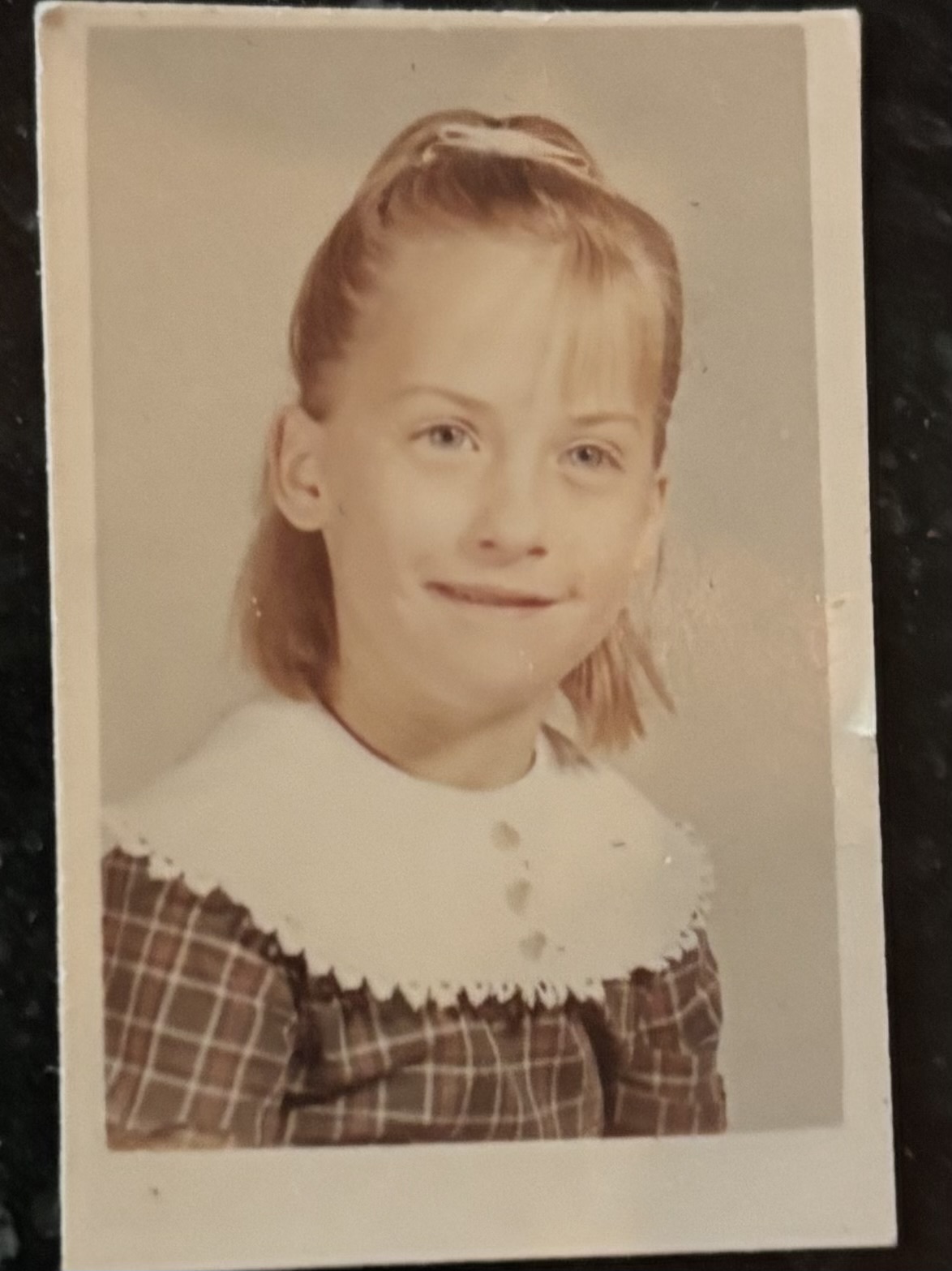
You can always count on family for embarrassing childhood stories. This was one of my mom’s favorites:
I frequently came home from kindergarten in tears, saying “the other kids don’t like me.” My mom scheduled a parent conference, expecting a comforting alternative story from my teacher.
Instead, my teacher responded: “she’s right.”
Womp-womp-womp…..
Apparently, I was a bit too bossy during group activities.
And to this day, I’m not a fan of group projects.
But writing a book is a different story. Writing is hard work, and it takes a team for an idea to travel from brain to book. I’m beyond grateful for mine.
My husband, my family, my friends. The awesome team of editors and publicists at Eerdmans Publishing. Teachers, past and present.
Neanderthals, an extinct human species and our closest cousins, disappeared about 40 thousand years ago.
But before they did, they met and had children with modern humans.
The DNA of all modern humans with ancestry outside Africa is about 2% Neanderthal. In fact, 50-60% of the Neanderthal genome is found scattered throughout the modern human population.
I’ve spit in a test tube, and it’s true: about 2% of my DNA is Neanderthal!
Interestingly, modern Africans with only African ancestry have zero-to-almost zero Neanderthal DNA.
(Raise your hand if you know why!)
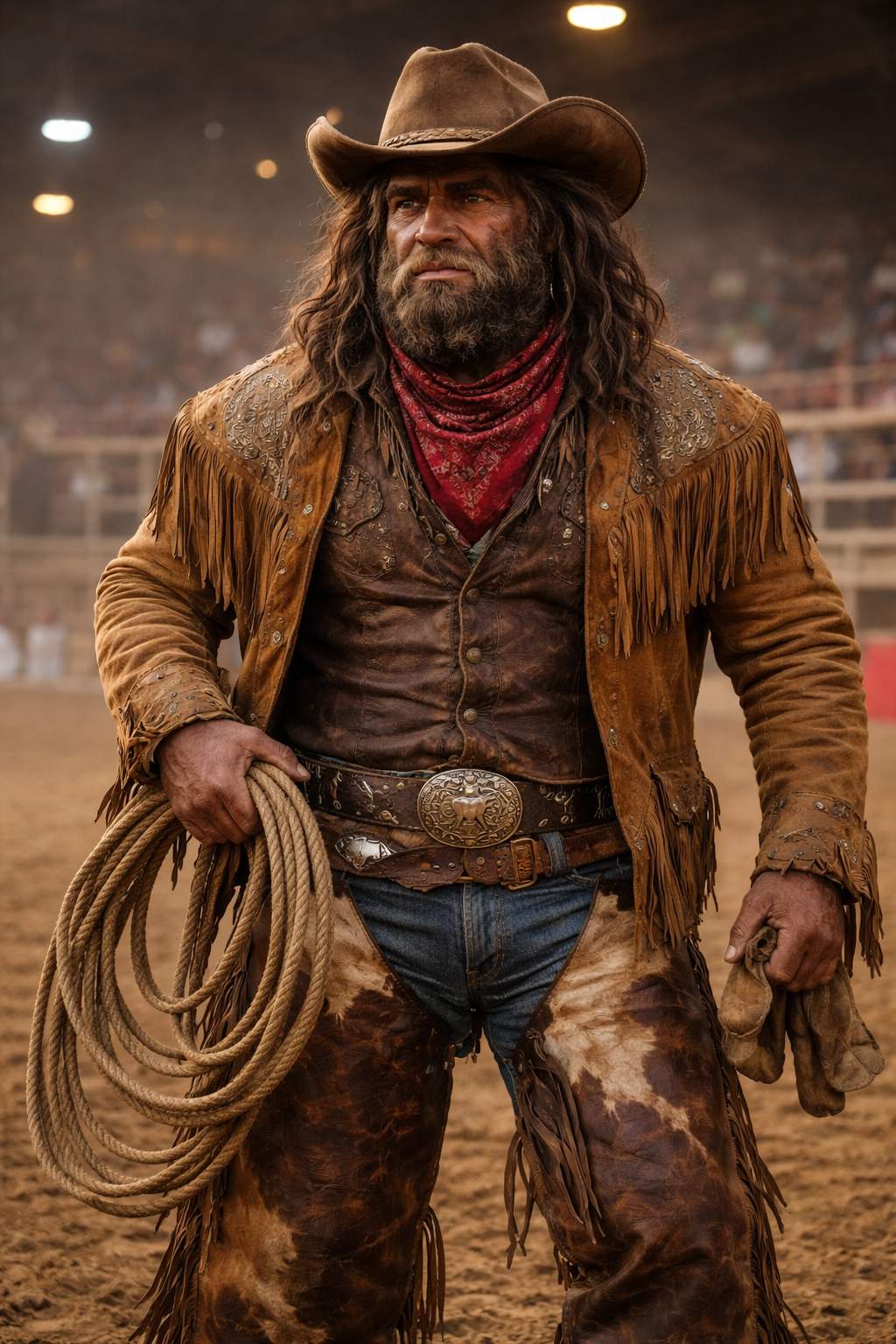
Here’s a fun fact: Neanderthal bones exhibit the same injuries seen in modern rodeo cowboys. Rodeo cowboys share a dangerous vocation with our extinct cousins – wrangling large animals in close quarters. Neanderthals weren’t throwing spears or shooting arrows or hunting with projectiles.
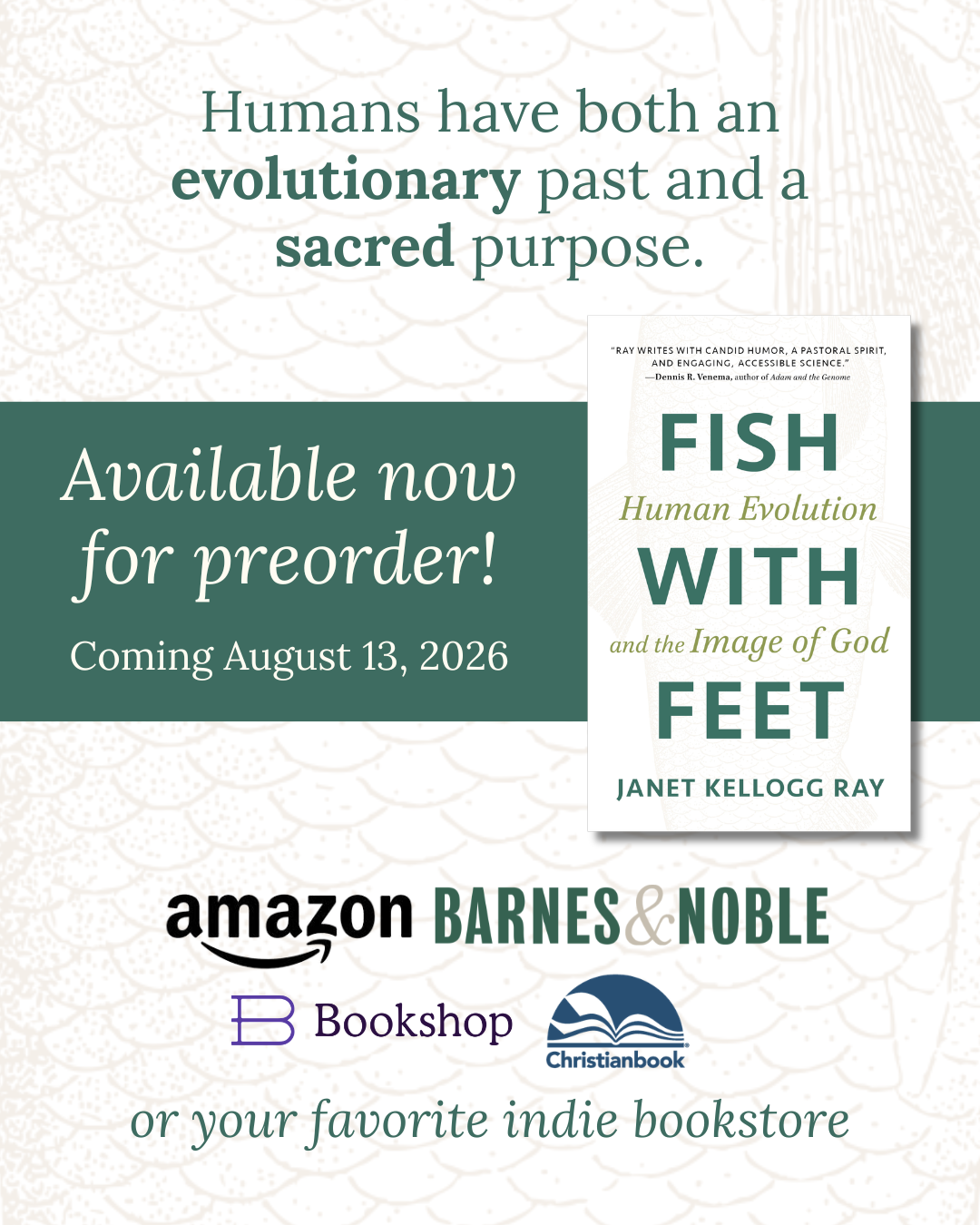
Do you wish you knew more about our evolutionary past? Have I got a book for you!
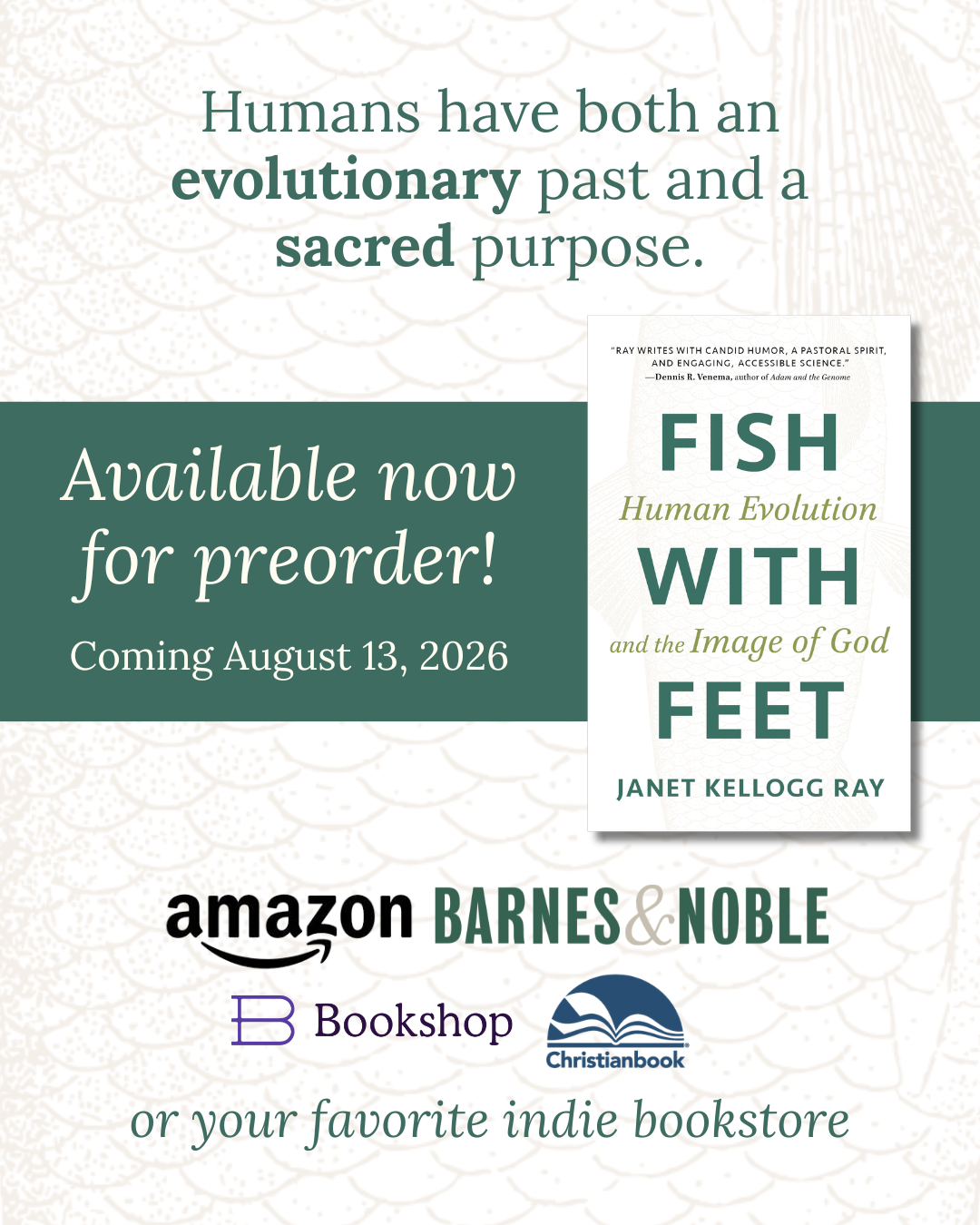
Coming in August: FISH WITH FEET: HUMAN EVOLUTION AND THE IMAGE OF GOD.
(available now for preorder at your favorite bookseller!)