
It’s Final Jeopardy and you can win it all with the correct response to this clue: The answer is: “the most dangerous animal on the planet.”
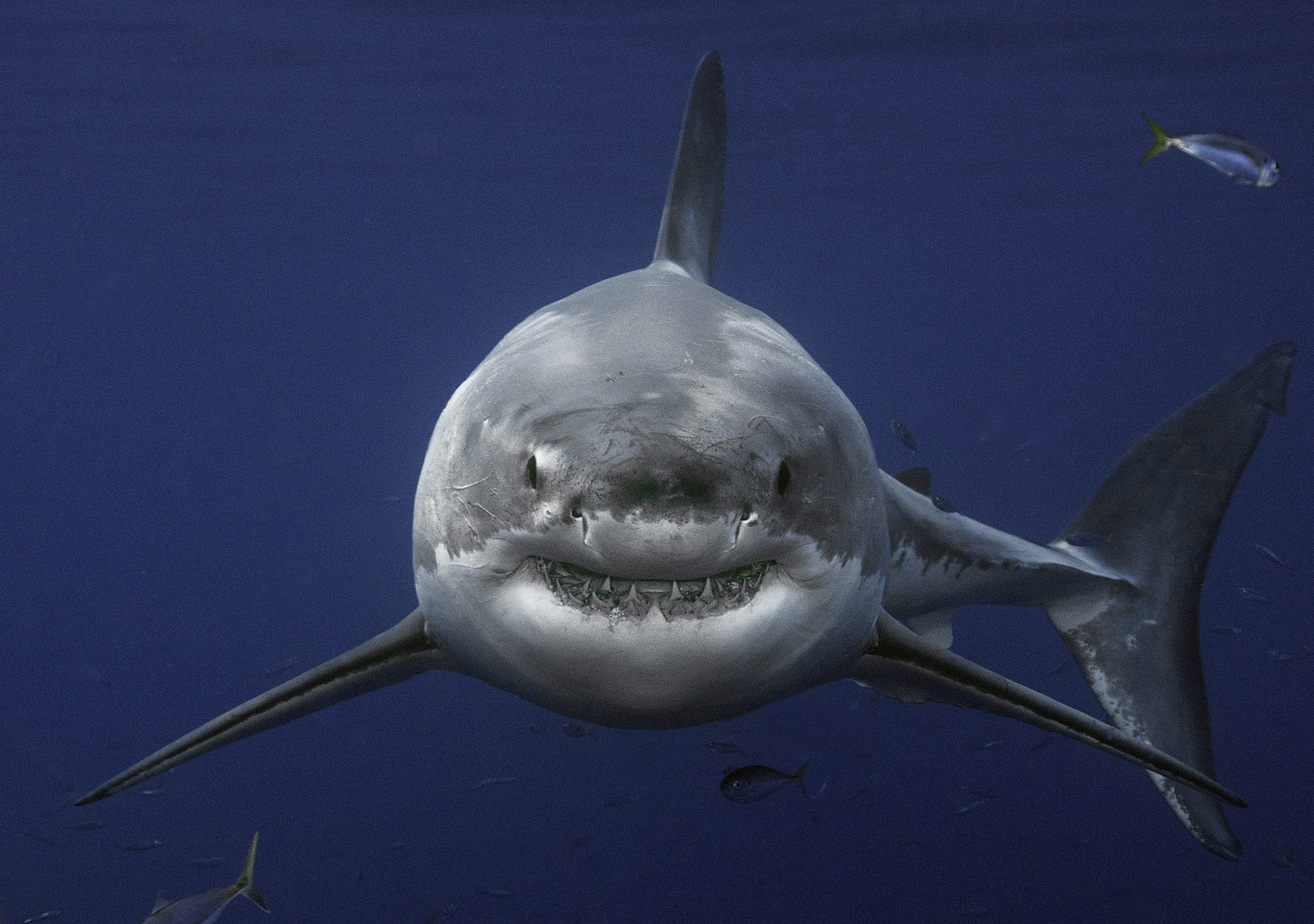
Sharks, right? After all, there’s an entire week of television dedicated to our fear of them and six (6!) movies terrorized us by dropping them from tornadoes.
Not even close. Sharks kill less than ten people per year.
Ok, hippos? Crocodiles? Snakes? Elephants? No, no, no, no.
The deadliest animal on the planet, responsible for the deaths of 700,000 to one million people every year, is the vicious and fearsome . . . mosquito.
Yet, no one is marking their calendars for Mosquito Week.
Malaria alone kills 600,000 per year, mostly young children.
Just a few weeks ago, a case of locally transmitted malaria was confirmed in Texas. Four cases of locally transmitted malaria were confirmed in May and June in Florida.
These were the first documented cases of local transmission in the United States in twenty years. Malaria is spreading in southern states, and it was not brought in by travelers infected in other countries.
Oh, malaria in the U.S. isn’t new. George Washington had it, as did many others until the middle of the twentieth century. In fact, the CDC was created to respond to the threat from malaria.
We solved the problem by spraying huge layers of insecticide in order to kill the parasite responsible for malaria. Think Rachel Carson and “Silent Spring”.
We killed the parasite, but other environmental factors for malaria remained.
Several mosquito species that carry malaria are still present in the U.S.
All it takes for local spread is a mosquito biting a recently returned traveler from a malaria-endemic country, and then that mosquito bites someone locally.
Malaria is also dependent on an optimal temperature for spread. If it’s too cold, the mosquito reproduction cycle slows. Warmer weather means more mosquitos and more mosquito babies.
Epidemiologist Katelyn Jetelina warns that human-caused climate warming isn’t a definitive cause of malaria spread, but it certainly doesn’t help.
During the week of July 4th, our planet shattered “hottest day ever” records for FOUR DAYS IN A ROW.
Already, other mosquito-borne diseases like Zika and dengue are making inroads in the U.S. (My son brought home dengue as a fun souvenir from a college internship in Panama. It’s a horrible disease – there’s a reason dengue is called “break-bone fever”).
Climate warming makes all mosquito-borne illnesses worse, globally.
Malaria has a fascinating history, and understanding evolution is key. Watch this space for Malaria Part 2!
 Janet K. Ray