Walking with Dinos

Walking with Dinos

Everyone should have one of those friends who will do vexatious things with you. Extra points if you can talk the friend into doing something you aren’t willing to do yourself. 

A few years ago, while road-tripping with friends to their ranch in the Texas Hill Country, we decided to detour off the highway and back in time…

About a hundred million years ago, give or take a few million years, two dinosaurs left footprints in the soft mud along an ancient inland sea, now the location of the Paluxy River. One was an enormous plant-eating sauropod; the other a fearsome meat-eating ancestor of T rex. 

Given their dietary preferences, most likely these two were not buddies, but both guys left their mark in the mud. 

The little town of Glen Rose, Texas is home to Dinosaur Valley State Park. As water levels of the Paluxy wax and wane, extraordinary fossilized dinosaur tracks are exposed. More than 200,000 visitors visit the “Dinosaur Capital of Texas.”

But for some, the dinos aren’t the main attraction.

In the late 1930s, a young earth creationist “found” human footprints, walking alongside our dinosaur pals. 

Glen Rose became the destination not only for dinosaur fans, but for those who sought “proof” that the earth was less than 10,000 years old.

The human “prints” have been soundly debunked, but once a story becomes a tourist attraction, there’s no turning back.

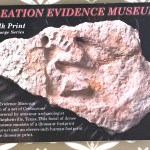
Glen Rose is also home to the “Creation Evidence Museum of Texas.” Of course, we pulled off the highway and went in. 

The science misinformation was overwhelming. The displays tortured both science and scripture. 

There was a gift shop, too, always one of my favorite spots in any museum. 

I wanted a postcard. 

Unfortunately, I’m afflicted with audible eye-rolls and I couldn’t bear to hand over the dollar lest the cashier thought I was on board with it all.  So, I handed over my dollar to my friend Melinda who handed it over for me.

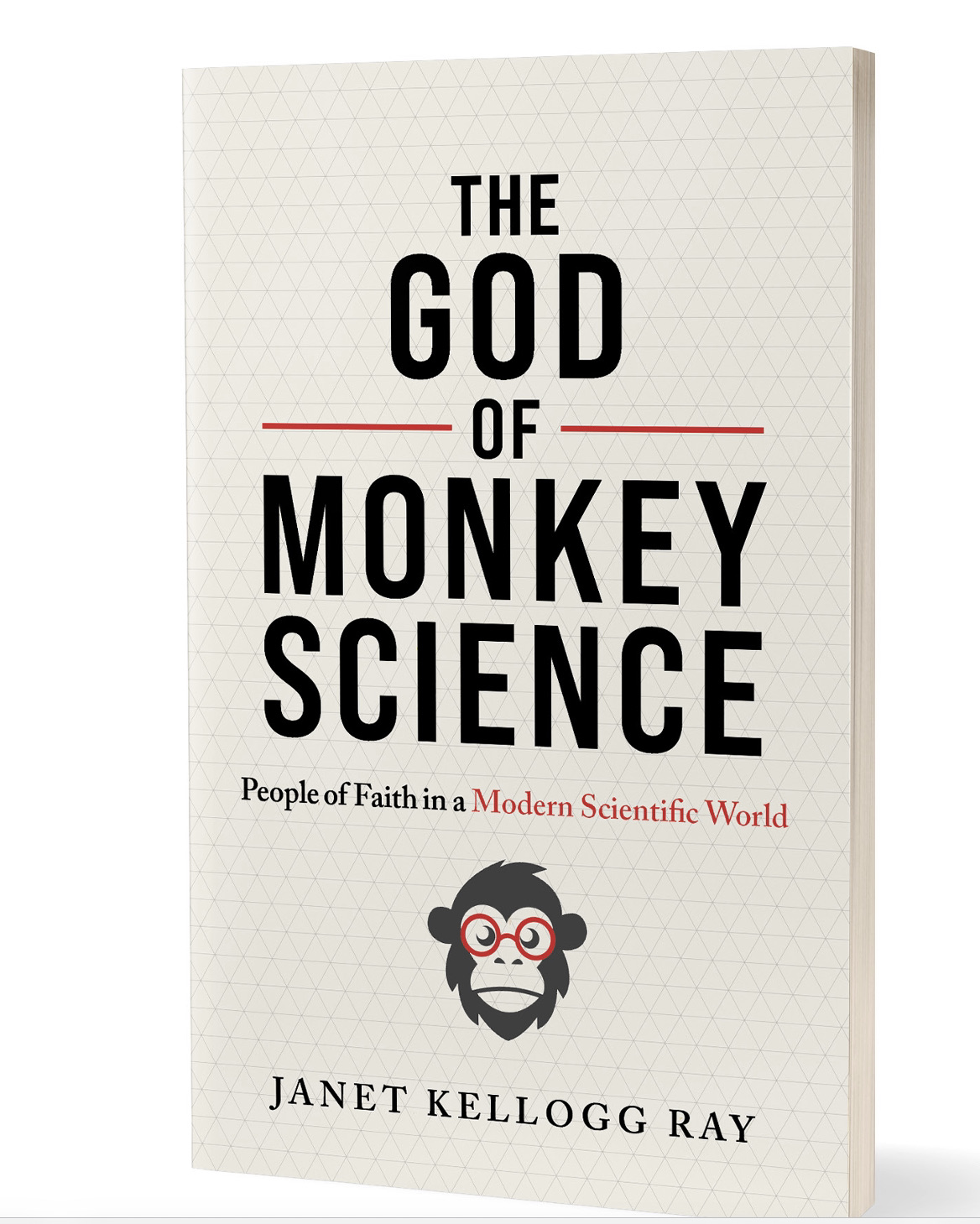
Read more about the Glen Rose tracks (both dino and human) and the response of the Glen Rose community in my new book, The God of Monkey Science: People of Faith in a Modern Scientific World

“No one hates a book as much as people who haven’t read it.”*

“No one hates a book as much as people who haven’t read it.”*

I’m married to a dermatologist, so I can attest to this fact: there’s no magic cream that will give you thick skin.

I’ve been writing about science and faith for ten years. In 2021, my first book was published. My second is releasing in October. The first was well-received, and there’s lots of excitement around the second.

But that doesn’t mean everyone loves them.

The harshest critiques are usually SOOO over the top that honestly, it’s entertaining. 

Here’s the latest and greatest:

Twitter guy posts a screenshot of the publisher’s catalogue, featuring my two books. With lots of gnashing of teeth, Twitter guy bemoans the current state of Christian publishing. 

Twitter guy calls my books “junk.”

Hmmm – the new book doesn’t release until October. It’s also apparent he hasn’t read the first one, either. 

My response: I hope you read them, I’m disappointed that you dismissed the books as “junk” without reading.

WELLLLLLLLLL.

Twitter guy plays the pig-in-need-of-a-makeover trump card.

Twitter guy invites me to put lipstick on a pig, and not only lipstick, but also perfume, jewelry, and practically an entire Sephora if I like, but my piggies (my books apparently) will still be pigs. 

And then, Twitter guy mic drop: I don’t need to read the books to know they’re junk.

Twitter guy is a writer at one of the big young earth creationist organizations, so I can only image how much he’d dislike the books if he’d actually read them. 

Thick skin!

*Mike Cosper, Christianity Today

MALARIA PART 2: Mosquitos, Malaria, and Intelligent Design Creationism

MALARIA PART 2: Mosquitos, Malaria, and Intelligent Design Creationism

Out of the three billion or so base pairs that make up human DNA, there is a single gene with a big job. 

This gene codes for hemoglobin, the protein in red blood cells responsible for carrying oxygen to every cell in the body. Just one change, just one mutation at a single point in the gene results in a defective version of hemoglobin. 

Healthy red blood cells have a characteristic biconcave shape, perfect for squeezing into the tiniest of blood vessels to deliver the oxygen payload carried by hemoglobin. 

Defective hemoglobin changes the shape of a red blood cell. Instead of smooth and biconcave, the cells are hard and sticky and are C-shaped, like a crescent or sickle. 

We have two copies of every gene – one from mom, one from dad. If one copy of the hemoglobin gene is operational, enough functioning red blood cells are made to keep a person healthy. A carrier of a defective hemoglobin gene may never know it or may only have occasional problems. 

British physician Anthony Allison grew up in the Rift Valley of Kenya. Allison returned to Africa in the 1950s with the intent of studying the A-B-O blood groups in East African people, but he changed course when he observed a curious phenomenon. 

Almost forty percent of the population in equatorial Africa were carriers of the defective hemoglobin gene, and most carriers were clustered in warm coastal areas.

Allison knew that the warm, wet areas of Kenya were breeding grounds for the mosquito that carries the deadly malaria parasite.

Was there a connection between carriers of the defective hemoglobin gene and malaria? Allyson wanted to know. 

Thousands of blood samples and a massive study later, Allison had his answer: carriers of the defective form of hemoglobin are resistant to malaria.

Carriers produce just enough defective hemoglobin to make their blood cells inhospitable to the malaria parasite. The parasites have a hard time entering sickled cells. 

To advocates of the intelligent design version of creationism, human DNA bears the mark of design. “Intelligent design” says that random mutations only break things. Important mutations, mutations that confer benefit, cannot arise randomly and therefore must have been directed, micromanaged by an intelligent designer.

Mosquitos kill, but a mutation in one gene confers malaria resistance. A good thing, right? A dandy design! With a tweak at just the right spot in the DNA, the designer heroically saves lives. 

Not so fast. 

It is not a surprise that a gene that provides malaria resistance would take off in a population. But with a high frequency of a single gene, it won’t be long before two carriers have children. If both parents are carriers, chances are ONE IN FOUR that a child will inherit not one, but TWO copies of the defective hemoglobin gene. 

Children who inherit two copies of the gene are resistant to malaria, yes, but at a terrific cost: sickle cell disease.

In sickle cell disease, red blood cells stick and clump together and block blood vessels. The result is excruciating pain and often stroke. Sickled cells are short-lived, so sufferers are anemic, exhausted, and prone to serious infections and kidney failure. 

Before modern medicine, children with sickle cell disease usually died in early childhood. Many still do.

The malaria resistance afforded to those with one copy of the gene fuels its spread. 

Crediting the malaria-resistance mutation to a loving choice by an intelligent designer demands consideration of the other side of the coin: the 300,000 children born each year with sickle-cell disease.

Facts are Boring: Bring on the Zombie Vaccine

Facts are Boring: Bring on the Zombie Vaccine

Of all the alarmist vaccine side-effects predicted in the time of COVID, maybe this one wouldn’t be so bad.

This side effect would have you shredding an axe like Eric Clapton. 

Pre-COVID-vaccine and continuing through vaccine release, newly minted vaccine experts warned of tracking devices in the shot, a giant leap forward toward the goal of world domination via 5G chips.

There was genuine evidence, it seemed. Making social media rounds with viral speed was a technical-looking black and white schematic – the ACTUAL DIAGRAM of the 5G chip inserted into the mRNA COVID vaccines! 

And of course, if it looks science-y and is on the internet and it contradicts Anthony Fauci, it must be true.

Leave it to a couple of scholarly journals like Rolling Stone and Guitar World Magazine to debunk the story.

It was a guitar pedal. The viral image shared across the globe was the electric circuit of a guitar pedal. 

Three years into our COVID experience, and conspiracy theories have yet to die. 

When an NFL player collapsed unconscious on the field during a game, social media was buzzing with the diagnosis before the guy even arrived at the hospital. It was the vaccine!

It wasn’t, but all too often, the first story out becomes THE story. It’s true, myocarditis (almost always temporary), is a rare side effect of the covid vaccine. 

But do you know who is eleven times more likely to develop myocarditis? Unvaccinated people.

One in ten Americans still believe that mRNA vaccines change your DNA. Thirty-two percent of Americans are on the fence about it. 

The science is fairly simple – it’s high school biology 101: the mRNA in a vaccine directs the construction of a protein in the cytoplasm of a cell. DNA resides in (and never leaves) the cell nucleus.

Vaccine conspiracies about death, microchip control, and modified DNA are alive and well in 2023, but here’s the champ: thirteen percent of Americans believe that COVID vaccines cause infertility. Forty-two percent aren’t sure. There is no evidence, at all, supporting this claim, yet it persists. 

Facts are boring.

Controversies are interesting. Conspiracies are compelling. 

Can scientists GUARANTEE that a COVID vaccine won’t turn you into zombie in twenty years? No, but there is absolutely no evidence that it will.

Pseudoscience provides certainty. Science, on the other hand, is always updating, tweaking, and changing.

Science is a work in progress. We look at the best evidence we have. We look at the consensus of scientists working in a field. 

Unfortunately, confidence in science is on the decline in the United States. Even more unfortunate is the fact that confidence levels in both science and medicine are sharply divided along political lines.

Bring on the zombie apocalypse.   

The World’s Most Dangerous Animal (it’s probably not what you think)

The World’s Most Dangerous Animal (it’s probably not what you think)

It’s Final Jeopardy and you can win it all with the correct response to this clue: The answer is: “the most dangerous animal on the planet.”

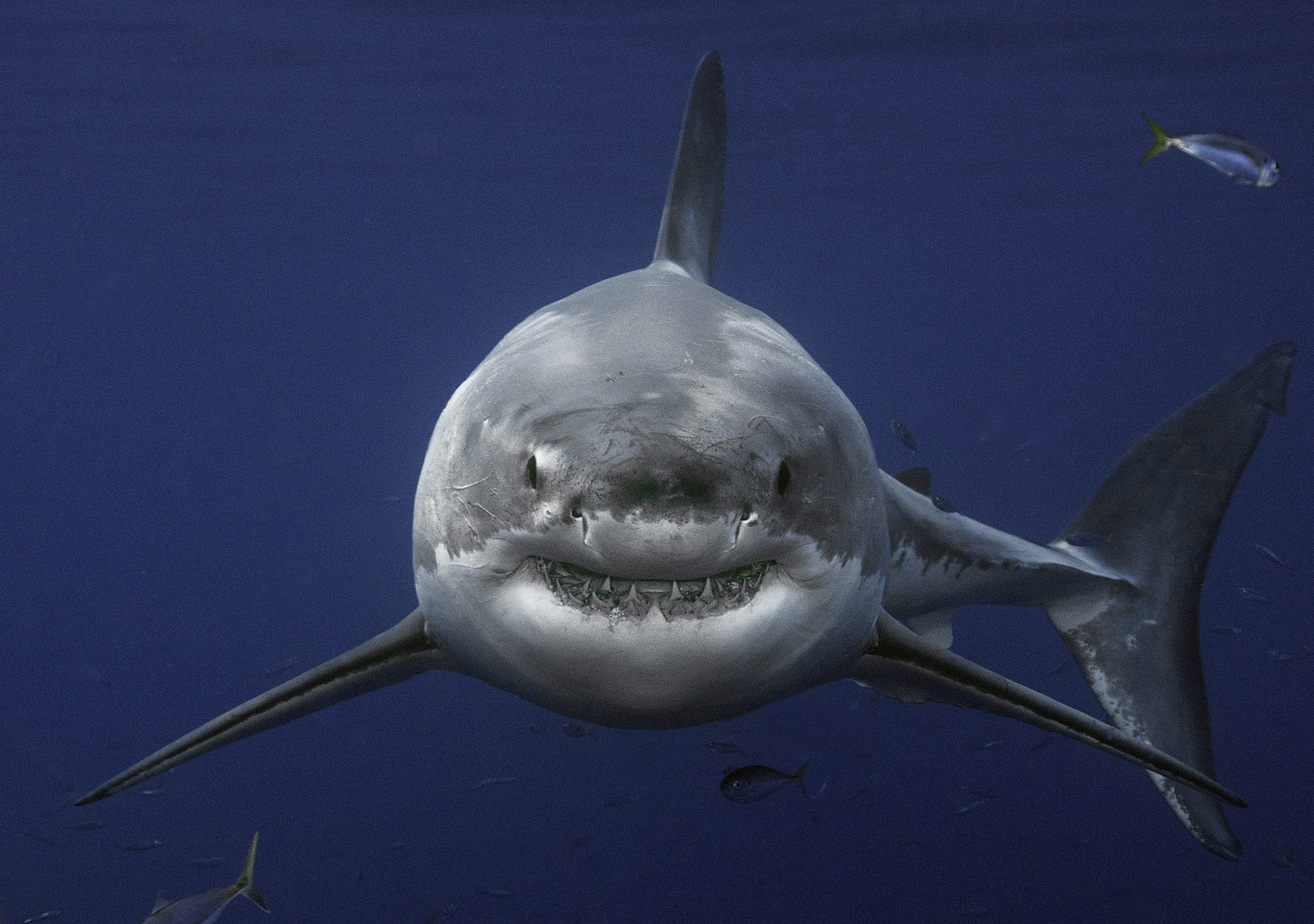
Sharks, right? After all, there’s an entire week of television dedicated to our fear of them and six (6!) movies terrorized us by dropping them from tornadoes. 

Not even close. Sharks kill less than ten people per year.

Ok, hippos? Crocodiles? Snakes? Elephants? No, no, no, no.

The deadliest animal on the planet, responsible for the deaths of 700,000 to one million people every year, is the vicious and fearsome . . .  mosquito. 

Yet, no one is marking their calendars for Mosquito Week. 

Malaria alone kills 600,000 per year, mostly young children. 

Just a few weeks ago, a case of locally transmitted malaria was confirmed in Texas. Four cases of locally transmitted malaria were confirmed in May and June in Florida.

These were the first documented cases of local transmission in the United States in twenty years. Malaria is spreading in southern states, and it was not brought in by travelers infected in other countries.

Oh, malaria in the U.S. isn’t new. George Washington had it, as did many others until the middle of the twentieth century. In fact, the CDC was created to respond to the threat from malaria.

We solved the problem by spraying huge layers of insecticide in order to kill the parasite responsible for malaria. Think Rachel Carson and “Silent Spring”.

We killed the parasite, but other environmental factors for malaria remained.

Several mosquito species that carry malaria are still present in the U.S. 

All it takes for local spread is a mosquito biting a recently returned traveler from a malaria-endemic country, and then that mosquito bites someone locally. 

Malaria is also dependent on an optimal temperature for spread. If it’s too cold, the mosquito reproduction cycle slows. Warmer weather means more mosquitos and more mosquito babies. 

Epidemiologist Katelyn Jetelina warns that human-caused climate warming isn’t a definitive cause of malaria spread, but it certainly doesn’t help. 

During the week of July 4th, our planet shattered “hottest day ever” records for FOUR DAYS IN A ROW.

Already, other mosquito-borne diseases like Zika and dengue are making inroads in the U.S. (My son brought home dengue as a fun souvenir from a college internship in Panama. It’s a horrible disease – there’s a reason dengue is called “break-bone fever”). 

Climate warming makes all mosquito-borne illnesses worse, globally. 

Malaria has a fascinating history, and understanding evolution is key. Watch this space for Malaria Part 2! 

Stuck in the Shallows: Science and Faith in the U.S.A.

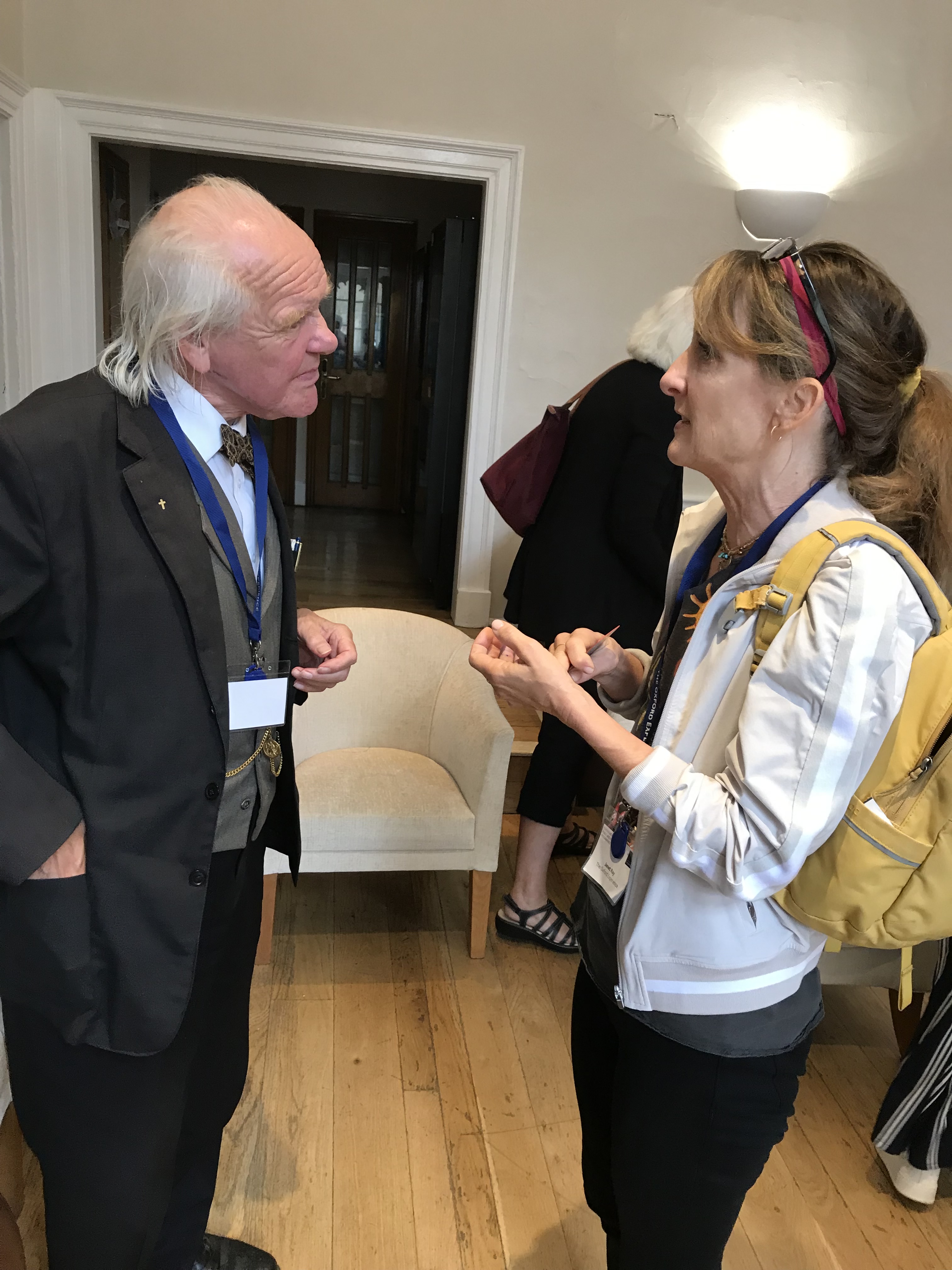
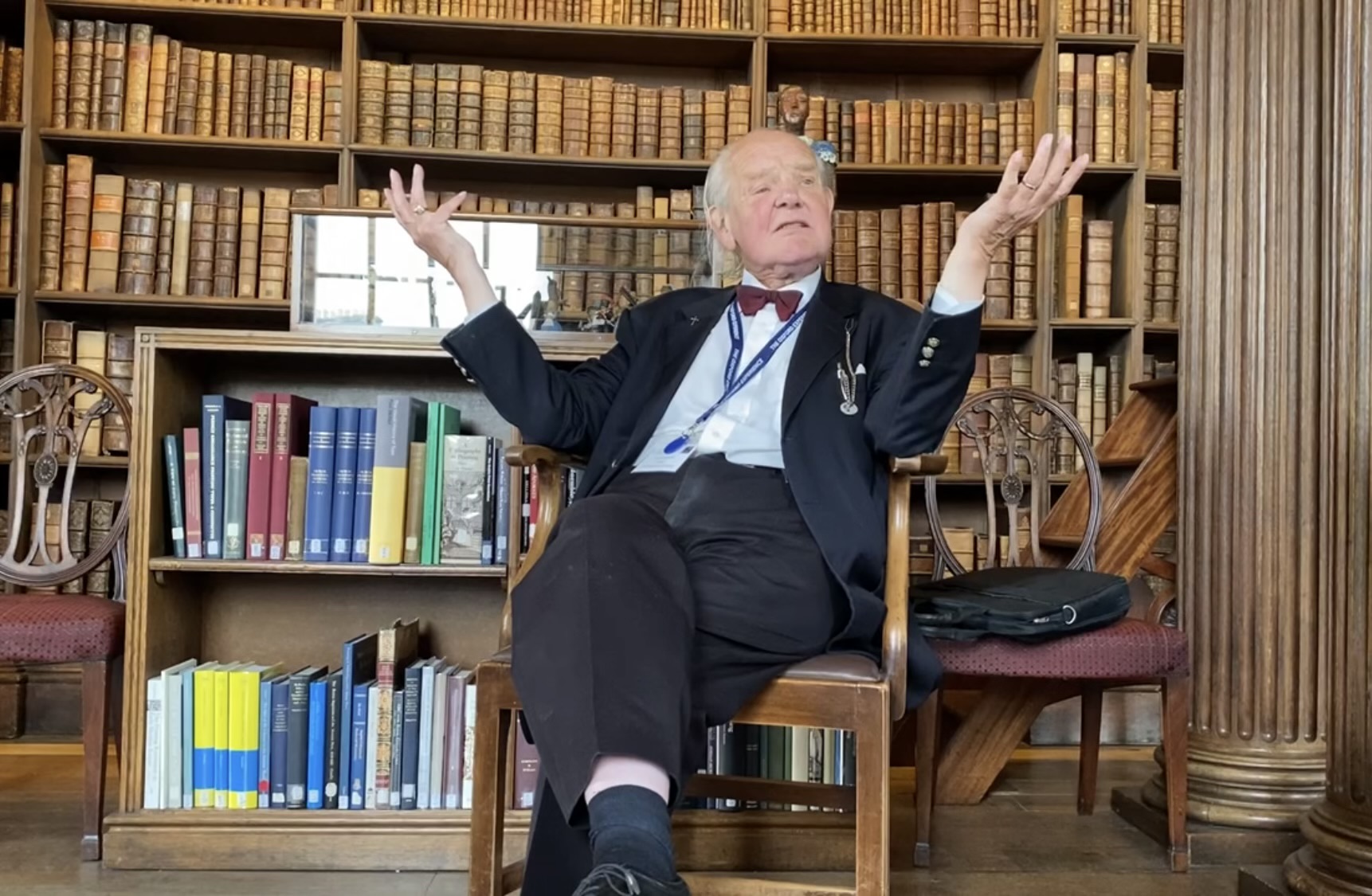
The gentleman in photo with me is Dr. Allan Chapman. He’s an Oxford professor and one of Britain’s national treasures. He’s a legendary science historian and a former host of a British astronomy television show – he’s an English Carl Sagan. His science lectures are legendary.

You’ll never see Dr. Chapman without a suit, bow tie, and pocket watch. He’s no longer able, but until just a few years ago, he biked around the Oxford campus a la Albert Einstein. 

One of the coolest things I’ve done in my life is take two history of science classes at Oxford with Dr. Chapman. 

Allan Chapman is also a bit of a unicorn at Oxford, as well as in the entire UK, for that matter. Dr. Chapman is a man of science and a man of deep Christian faith.

Look closely at the pin on his lapel. That simple cross pin is ever-present. He was once mocked for wearing it as he delivered a lecture to a group of prominent British scientists.

In the UK, the science and faith dilemma is typically “can a respectable scientist be a person of faith?”

In the United States, the question is reversed.

In the USA, sixty-six percent of white evangelical Christians reject the science evidence for human origins. Many in this group also reject the science evidence for the age of the earth. 

Young adults in the U.S., drawn to a career in science, often think twice about it if they grew up in evangelical spaces. 

In the U.S., the science and faith dilemma is this: can a person of faith accept science evidence?

Dr. Chapman is in the minority in the UK, for sure. Oh, there’s others – my first book (Baby Dinosaurs on the Ark?) was nominated for an award by the Faraday Institute for Science and Religion, based in Cambridge.

But here’s the thing: science and faith discussions outside the United States aren’t consumed with defending evolution and the age of the earth.

Science and faith discussions outside the U.S. have waded past the shallows of the science of origins and are fully in the deep end:

How does faith inform decisions made in a world experiencing unprecedented human-caused climate change?

How does faith inform our response to a world-wide pandemic caused by a novel virus?

How does faith inform modern genetics, a field moving at break-neck speed? 

Here’s the bottom line – highlight it, circle it, think about it.

What science and faith conversations are we missing because we haven’t moved out of the shallows? 

How might people of faith move to the deep and speak to modern science?

Eerdword Interview

Eerdword Interview

My publisher recently interviewed me and featured my books on the Eerdword blog!

Oh, I can talk about my books all day and night, but the “about you” questions were the hardest. ARGGGG. Fortunately, as an adult, I’ve completely embraced my inner nerd.

Here’s a bit of the interview. I’ll put the link to the entire post at the end.

What are three things about yourself that most people don’t know?

  • I’m a HUGE Dallas Cowboys fan, and that takes perseverance!
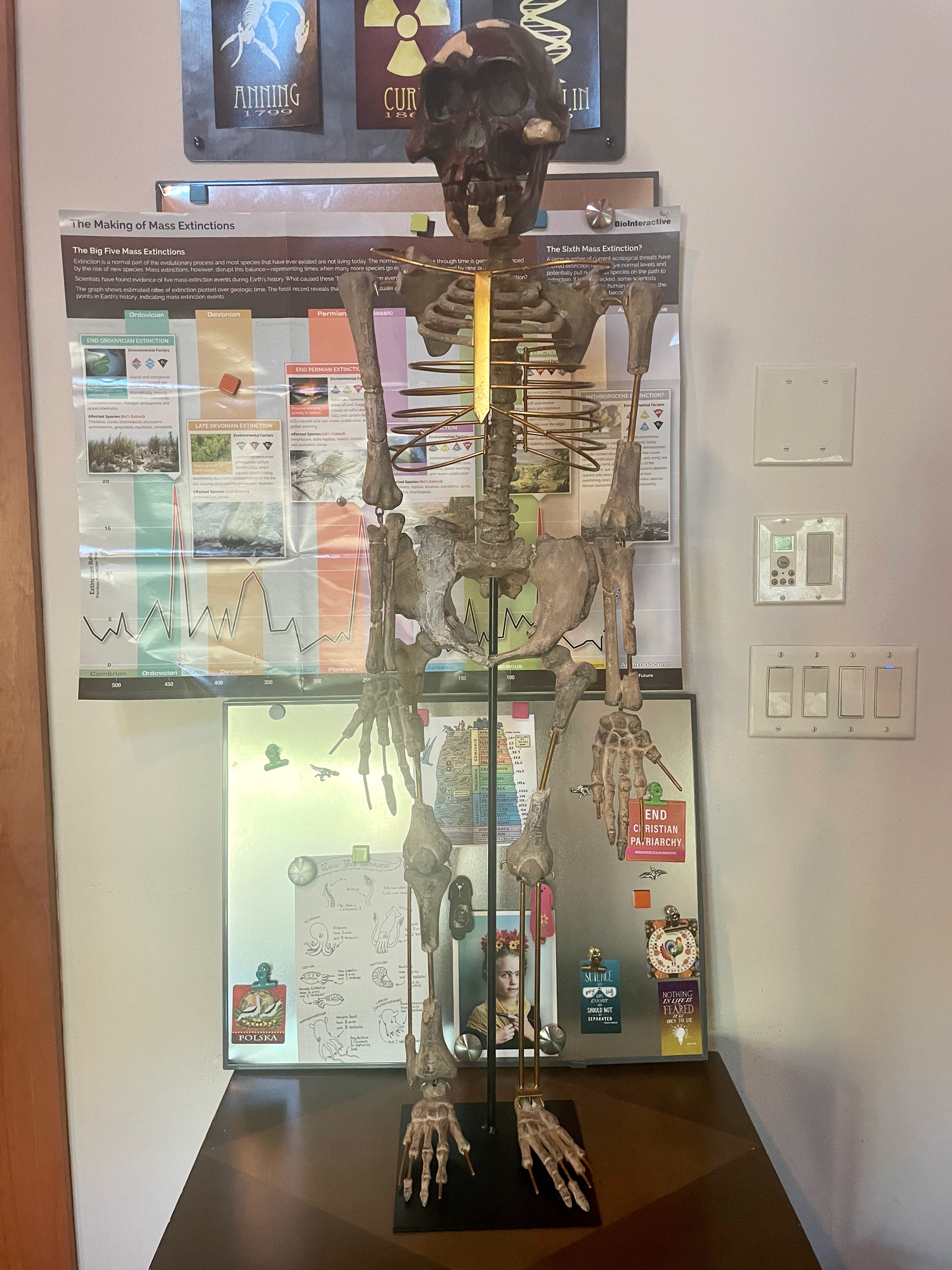
  • I have a life-size replica of the famous “Lucy” in my home office. I found her on sale in an import shop; nobody there knew what it was! I felt very Indiana Jones-ish.
  • Natural history museums are my happy place.

What do you do when you’re not teaching, writing, reading, or answering questions for EerdWord?

  • I’m currently managing a herd of five dogs–only two of which are by choice; it’s a long story!
  • I lead a book club. We’re from different churches and different backgrounds. We choose books (and sometimes podcasts) that may challenge our long-held beliefs.
  • And always: reading, thinking, researching, and writing the next book!

What can you tell us about your next release with Eerdmans coming this Fall, The God of Monkey Science?

Evolution was the area of science that first offended, but in evolution denial, evangelicals developed a whole way of talking about science.

Evolution-denial arguments were retooled and relaunched to serve another day in the evangelical response to climate science and to the COVID-19 pandemic. The God of Monkey Science explores the political and religious drama that got us to where we are today.

Who did you write these books for?

What most people who reject evolution know about evolution comes from anti-evolution resources. We build a straw man out of arguments no one is actually making, then we tear the straw man down. These books are written in an accessible, popular-science voice for readers who want to know more about the evidence for evolution, climate science, and the pandemic.

Could you describe your overall goal and dreams for your writing and research in a sentence or two?

Conventional Christian wisdom says that accepting evolution is a one-way ticket to atheism. But that’s not what research tells us – to the contrary, it is a rejection of science that is shipwrecking faith.

I want my readers to be people of faith who embrace modern science without fear.

Anything you’d like to say about anything?

Science moves on, with or without us. We can deny it, pretend it’s all a conspiracy, or politicize it, OR we can speak as people of faith in a modern scientific world.

My Lucy

Read the entire post: https://eerdword.com/meet-janet-kellogg-ray/

Erasing the Science We Don’t Like

Erasing the Science We Don’t Like

Have you ever taken a spin on one of these vintage carousels of death?

Let go of the rails and you’d find yourself launched to the parking lot. And no soft landing on a modern playground’s mulch or rubber ground cover. You skidded to a stop over sun-baked, rock-studded dirt, and with bad luck, into an ant bed.

Early in the twentieth century, Alfred Wegener, a German scientist trained in biology, botany, and geology noticed something very peculiar about our planet.

The east coast of South America and the west coast of Africa fit together almost perfectly, like a jigsaw puzzler.

Geologically, the Appalachian Mountains of eastern North America, the Scottish Highlands, and the Atlas Mountains along the northwest coast of Africa were of the same age and rock formation. 

Plant and animal fossils unique to the east coast of South America were also found in the southwestern coast of Africa. Fossils of plants only found in warm, humid environments were found in the frozen arctic.

Wegner proposed an answer to these mysteries: continents were drifting away from each other. He attributed this motion to the rotation of the earth, slinging continents away from each other like that deadly playground merry-go-round of my childhood.

There was no evidence for this explanation, but it made “common sense.”

Fast forward to the 1950s. Marie Tharp was an American geologist and mapmaker. 

Using sonar to bounce sound waves off the ocean floor, Tharp measured the depth of the Atlantic. Oh, and since women were not allowed on research ships, Tharp relied on data gathered by her colleagues. 

Tharp discovered a deep rift running along the floor of the Atlantic. This mid-Atlantic rift indicated that continents were moving away from each other, not because they were being slung about but because the sea floor was opening up! 

In the 1950s, a woman in science, much less a woman making breakthrough science discoveries, was not commonplace. 

Marie Tharp’s boss was all “I don’t understand it and it doesn’t fit my preconceived notion of how things work. This can’t be right.” 

This is just “girl talk,” said her boss. He actually said that.

Despite the evidence right under his eyes, Tharp’s boss did not believe that a lady scientist knew what she was talking about. He did not think moving continental plates (called “plate tectonics”) was a thing. 

So, Tharp’s boss fixed it.

He took a pencil and erased her map. 

He LITERALLY erased it. 

Tharp went back to the drawing board and collected new data, yet the mid-Atlantic rift remained. Tharp overlayed her map with a colleague’s map of Atlantic earthquakes, and what do you know? The two maps lined up perfectly.

Eventually, underwater cameras confirmed the existence of the mid-Atlantic rift and the reality of continental drift due to plate tectonics. 

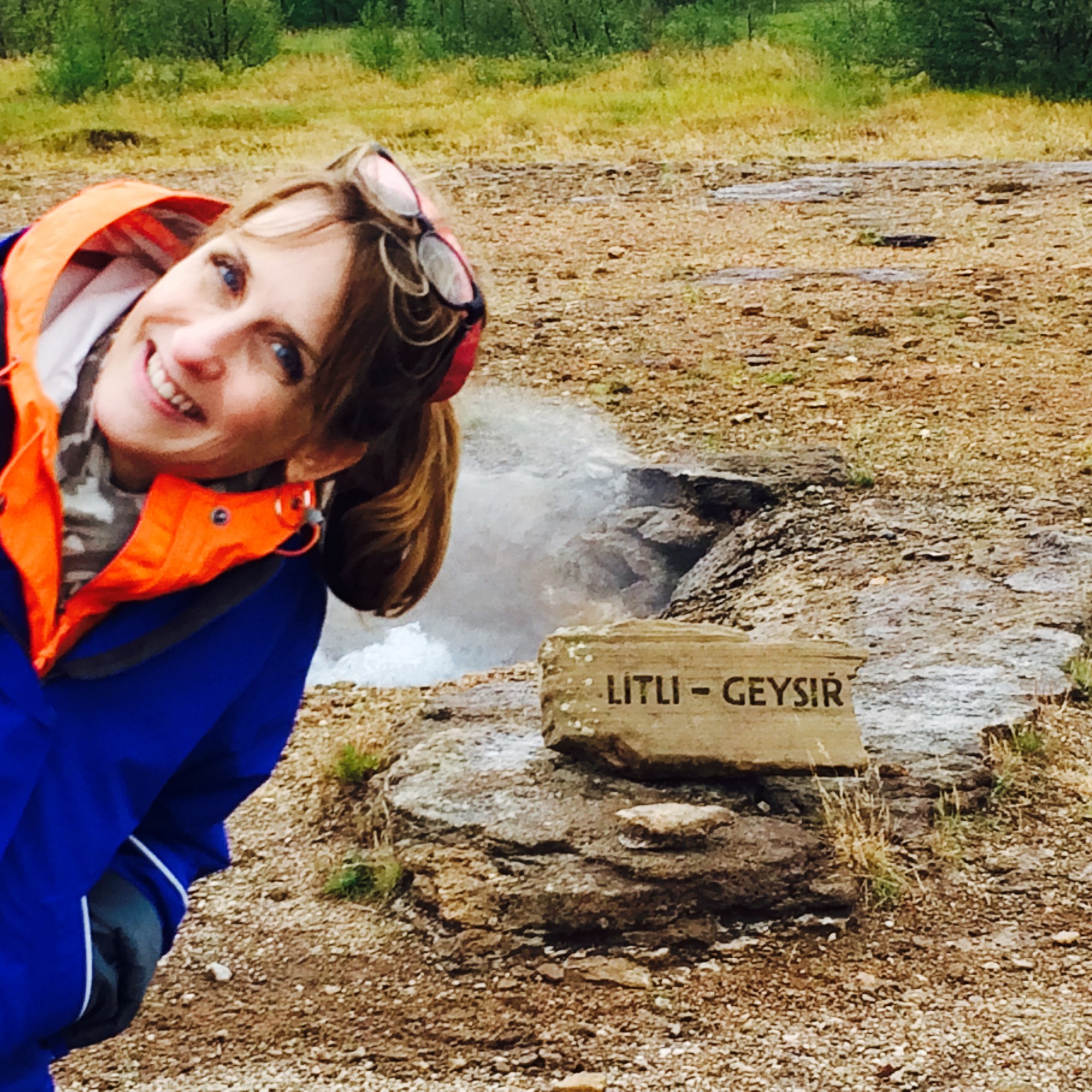
One of my favorite trips ever was to Iceland. (Even though I came home sick as a dog from going nonstop because my husband the planner takes trips not vacations, but I married him on purpose so what can I say.)

Iceland is a fairytale of “fire and ice.” Iceland straddles the mid-Atlantic rift, the one discovered by Marie Tharp. Heat from deep within the earth bursts through the rift in a wonder of impossibly blue geysers and boiling geothermal streams. 

I boiled an egg in a stream! Photos below for evidence!

The modern theory of continental drift by tectonic plate movement is not “just” a theory, as if it’s simply someone’s best guess. Continental drift theory explains the facts we observe. 

Continental drift theory continues to be tweaked as we learn more, but no one is going to throw out plate tectonics for the “playground merry-go-round” explanation.

If the facts from science don’t make sense to us, we are tempted to ignore them or to find our “own facts.”

Too often, we erase what we don’t understand.

My Review of “Shiny Happy People” – The Duggar Documentary

My Review of “Shiny Happy People” – The Duggar Documentary

The Duggar family has always intrigued me. I’ve watched a few episodes and read stories updating the births of the latest offspring as the family approached twenty kids.  

It always seemed like a wholesome human-interest story. I may or may not have photoshopped myself and friends into Duggar family lineups wearing matching pilgrim collars and jumpers. 

After the four-part documentary “Shiny Happy People” (streaming now), I’m no longer amused. It will be a while, if ever, that sappy-happy-matchy-matchy-Duggar spoofs are funny.  

The docuseries explores Bill Gothard’s para-church organization, the Institute in Basic Life Principles and how the principles are implemented in every single aspect of the Duggar family.

You don’t have to own a wardrobe of red jumpers and white, wide-collared blouses to see the influence of Bill Gothard and the IBLP beyond homeschooling fundamentalist families like the Duggars. 

The talons of IBLP extend wide and deep in evangelicalism. 

If you are an evangelical or have ever been evangelical-adjacent, you need to watch all four episodes. This is your homework. You will need to debrief, so I’ll put two stellar analyses at the end of this post.

I want to focus on a particular horror exposed in the documentary called “blanket training.” This is not the benign “tummy-time” practice for modern newborns. 

Blanket training, according to IBLP:

Place your newly-scooting/barely mobile infant on a blanket. In case it’s not clear, you do this with an INFANT. 

You show the infant their favorite toy. You use excited mommy voice about toy.  Big smiles, happy baby.

Place infant on blanket.  Place toy out of reach. Baby moves toward toy. 

Hit the infant. 

Repeat every day, for as long as it takes, until infant stays put on blanket and shows no interest in the toy.

Result? A child for whom curiosity is punishable.  

And that child learns:

Curiosity is a sin. 

Questioning is a sin. 

Doubt is a sin. 

In the documentary, the Duggars take a field trip to the Creation Museum. Dad Jim Bob’s voiceover tells us that although “some” people believe in evolution, we teach our children that evolution is “totally unscientific”. 

Why would you ever investigate for yourself? Why would you ever believe the experts?

Curiosity is a sin. 

Questioning is a sin. 

Doubt is a sin. 

The IBLP principle of absolute, unquestioned authority extends throughout life, but it begins in infancy. In run-of-the-mill evangelical churches, we may not hit our curious babies, but the impact is still seen in an unquestioning theology: “plain” readings of scripture. Distrust of intellectuals, especially scientists. People who “deconstruct” their faith are unfaithful. 

It’s not just science that is out of bounds. The list is long. And when curiosity is a sin, those questions are never asked. 

For an analysis from a faith perspective: : https://baptistnews.com/article/how-to-connect-the-dots-while-watching-shiny-happy-people/?fbclid=IwAR2evItQXFm92vvuk3iBREA1QTIS222NMnrS_IZjcRUsocxCJxqw_W6cLB4

From an analysis from a child development perspective: