Brutal. Bloody. Evolution is an everyman for himself life or death struggle for survival, right?
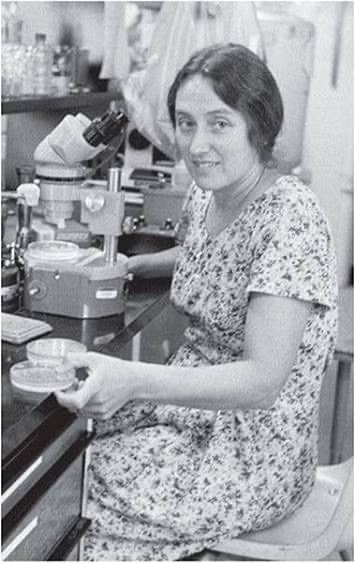
Lynn Margulis disagreed.
Margulis was a biologist in the 1960s, and her ideas about the evolution of cells upended the prevailing science of the day.
Margulis’ landmark research paper was rejected fifteen times before it was published. She was dismissed as “just a divorced mother with radical ideas.”
Decades later, Margulis’ “endosymbiotic theory” about the evolutionary origin of complex cells has been established over and over again by evidence.
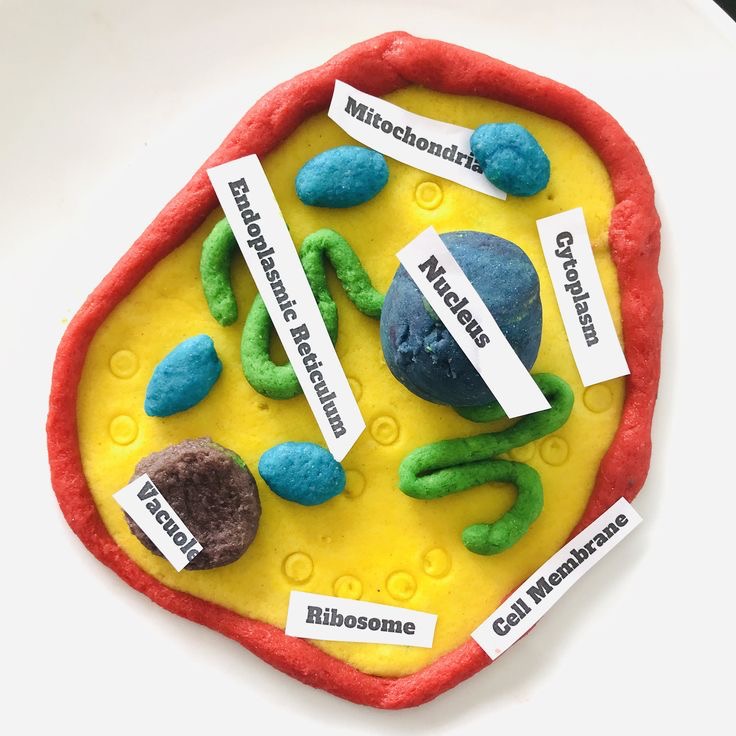
If you’ve ever made a model of a cell out of playdough or whatever you could find at home at 10:00 pm the night before it was due (or parented over such a construction), you are familiar with the mitochondria, the “powerhouse of the cell”.
Margulis noted that mitochondria have their very own tiny looped chromosome, just like simple bacteria. She observed that mitochondria are structured like bacteria and divide like bacteria.
What if, hypothesized Margulis, complex cells didn’t arise from a bloody battle for the win?
What if, she said, complex life arose via cooperation? What if teamwork was key to the evolution of complex cells, and thus a myriad of complex life forms?
Endosymbiotic theory explains how tiny, simple cells took up residence inside larger cells. The tiny cell was good at extracting energy from food, and the bigger cell provided protection and … food.
Teamwork.
Read more about the role of Margulis in the story of human evolution in FISH WITH FEET: HUMAN EVOLUTION AND THE IMAGE OF GOD.